
Your Ultimate Guide to Troubleshooting Wine Cooler Fridge Issues: From Simple Fixes to Pro Tips
A wine cooler is more than an appliance; it's the guardian of your prized wine collection, ensuring every bottle is stored in optimal conditions. When it falters, it can be a source of major stress. But before you call a costly technician or consider a replacement, many common wine fridge issues can be resolved with a bit of DIY troubleshooting. This guide is designed to empower you with the knowledge to diagnose and fix the most frequent problems, from a simple power issue to more complex component failures.
Always Start with Safety
Before you begin any inspection or repair, your safety is paramount. Always unplug the wine cooler from the power outlet. This prevents any risk of electric shock and allows the components to reset.
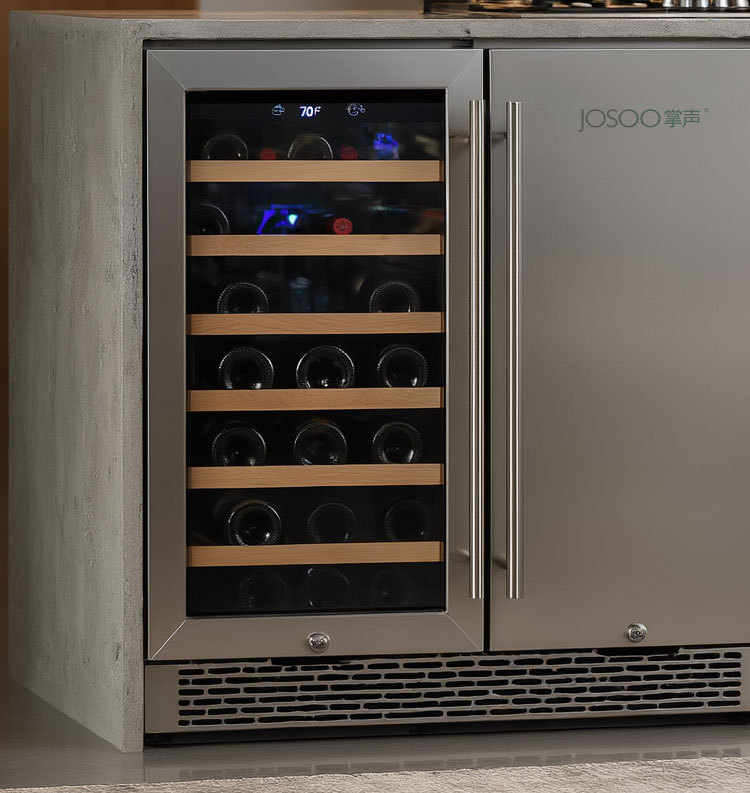
H2: First Things First: Basic Checks for Any Wine Cooler Problem
Often, the solution to a malfunctioning wine cooler is surprisingly simple. Before diving into specifics, run through this initial checklist:
- Check the Power Source: Is the unit securely plugged in? Test the outlet with another small appliance (like a lamp) to ensure it's working. Also, check your home's circuit breaker to see if it has been tripped.
- Review the Thermostat Settings: It's possible the temperature was accidentally adjusted. Ensure it's set to your desired temperature—typically around 55°F (13°C) for general storage.
- Ensure Proper Ventilation: Wine coolers need to breathe. Freestanding units require several inches of clearance on the sides and back, and often a foot above, to dissipate heat. Built-in models must be installed according to the manufacturer's ventilation specifications. Overheating from poor airflow is a leading cause of cooling failure.
- Allow Time to Settle: If the cooler is new or has just been moved, it needs time to stabilize. Allow it to run for at least 24 hours before expecting it to reach the set temperature.
H2: Problem #1: My Wine Cooler Isn't Cooling
This is the most common and critical issue. If your cooler is running but not getting cold, work through these steps systematically.
- Inspect the Door Seal (Gasket): A broken or loose door seal is a major culprit. It allows warm air to seep in, forcing the cooling system to work overtime. Close the door on a piece of paper; if you can pull it out with no resistance, the seal is weak and likely needs to be cleaned or replaced.
- Clean the Condenser Coils: Located on the back or bottom of the unit, these coils dissipate heat. Over time, they collect dust and pet hair, which insulates them and prevents them from releasing heat effectively. After unplugging the unit, use a vacuum with a brush attachment to gently clean the coils. This should be done every few months.
- Check the Fans: Wine coolers have at least two fans: a condenser fan (to cool the condenser) and an evaporator fan (to circulate cold air inside). Visually inspect them for obstructions. If a fan isn't spinning, it may be blocked by debris or the motor may have failed.
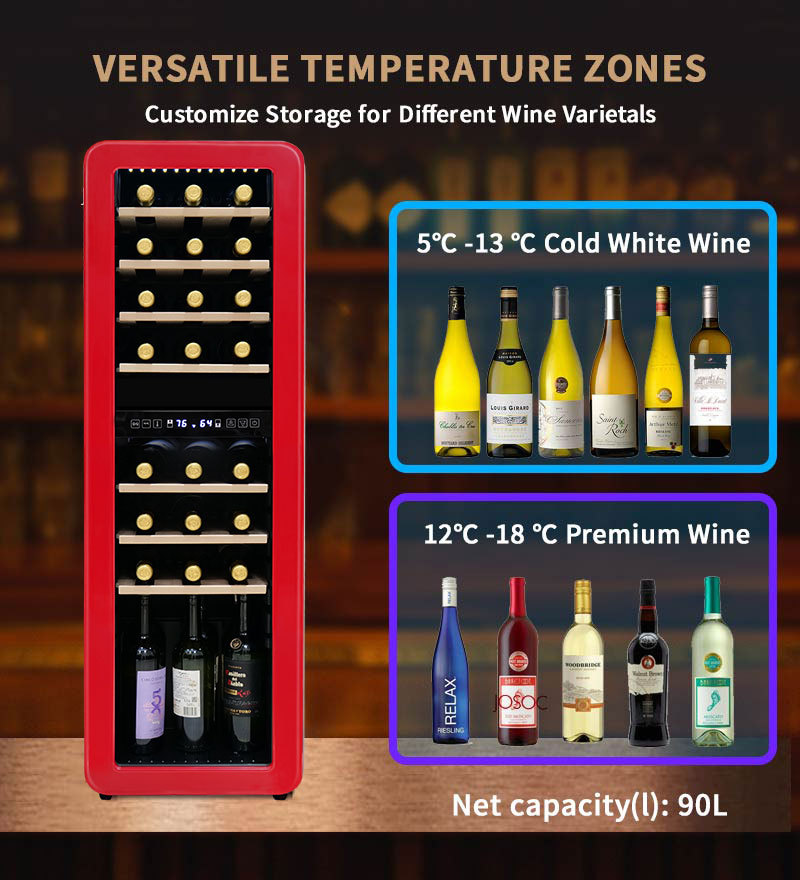
H2: Problem #2: My Wine Cooler is Too Cold and Freezing My Wine
A cooler that's running too cold can be just as damaging as one that's too warm. This issue almost always points to a problem with temperature regulation.
- Faulty Thermostat: The thermostat's job is to tell the cooling system when to turn on and off. If it's defective, it may not sense the correct temperature, causing the compressor to run constantly. You can test this by placing a separate, reliable thermometer inside the cooler. If its reading is vastly different from the cooler's display, the thermostat or its sensor may need replacement.
H2: Problem #3: Why is My Wine Fridge So Noisy?
While a gentle hum from the compressor is normal, loud or unusual noises like rattling, buzzing, or clanking indicate a problem.
- Level the Unit: If the fridge isn't perfectly level, it can cause vibrations. Use a spirit level and adjust the feet until the unit is stable and the noise subsides.
- Check for Fan Obstructions: A rattling noise could be caused by fan blades hitting a loose wire or a piece of debris. Unplug the unit and inspect the internal and external fans.
- Secure Loose Parts: Vibrations can sometimes come from loose panels or shelves. Gently check and tighten any components that feel loose.
H2: Problem #4: Help! There's Water Leaking From My Wine Cooler
Puddles of water around your wine fridge are alarming, but the cause is usually a simple drainage issue.
- Clogged Drain Line: Wine coolers have a small drain hole inside that channels condensation to an external drip tray where it evaporates. This can become clogged with dust or debris. Use a pipe cleaner or a small brush to gently clear the blockage.
- Cracked Drip Tray: Inspect the drip tray (usually near the compressor) for cracks. If it's damaged, it will need to be replaced.
- Door Seal Issues: As mentioned before, a poor door seal lets in humid air, creating excess condensation that can overwhelm the drainage system.

H2: Problem #5: My Wine Cooler Won't Turn On at All
If there's no sign of life—no lights, no sounds—the issue is electrical.
- Confirm the Power Source: This is the most basic step. Double-check that the unit is plugged in and the outlet has power. Check your circuit breaker.
- Perform a Power Reset: Unplug the cooler for 30-60 minutes. This can sometimes reset the internal electronics or control board if they've experienced a minor glitch.
- Control Board Failure: If power is confirmed but the unit remains dead, the main control board may have failed. This is typically a job for a professional.
H2: Understanding the Components: Compressor vs. Thermoelectric
Knowing your cooler type helps in troubleshooting. Compressor models work like a standard refrigerator and are powerful but can be noisier. Thermoelectric models use a Peltier module, are very quiet and vibration-free, but are highly sensitive to the ambient room temperature and struggle in warm environments.
H2: A Quick Troubleshooting Reference Table
| Common Issue | Likely Cause(s) | Simple Solution(s) |
|---|---|---|
| Not Cooling | Dirty coils, poor ventilation, faulty fan, bad seal | Clean coils, ensure clearance, check fan, inspect door gasket. |
| Too Cold / Freezing | Faulty thermostat or temperature sensor | Place a separate thermometer to verify; consider thermostat replacement. |
| Loud Noises | Unit not level, fan obstruction, loose parts | Level the feet, check fans for debris, tighten any rattling components. |
| Leaking Water | Clogged drain line, poor door seal, cracked drip tray | Clear drain hole with a pipe cleaner, check seal, inspect evaporator pan. |
| Won't Turn On | No power, tripped breaker | Check outlet and circuit breaker, ensure plug is secure. |
| Frost Buildup | Faulty door seal, blocked drain, high humidity | Inspect and replace gasket, unplug and defrost naturally (do not scrape). |
H2: Proactive Care: Essential Maintenance Tips
Preventing problems is always better than fixing them. Regular maintenance is key to a long and healthy life for your wine cooler.
- Quarterly: Inspect and clean the door seal.
- Every 3-6 Months: Unplug the unit and thoroughly clean the condenser coils with a vacuum.
- Annually: Verify the internal temperature with a separate thermometer to ensure the thermostat is accurate.
H2: Decoding Error Codes
Many modern wine coolers feature digital displays that will show an error code when an issue is detected. These codes are specific to the manufacturer and model. If you see one, consult your user manual immediately. It will provide the most direct information on what the code means and the recommended course of action.
H2: When to Call a Professional Technician
While many issues are simple DIY fixes, some problems require expert knowledge and tools. It's time to call a professional if:
- You suspect a refrigerant leak (a compressor model issue).
- The compressor has failed (often indicated by a clicking sound but no humming, or complete silence).
- The main control board is faulty.
- You've tried all the relevant troubleshooting steps and the problem persists.
Fixing these complex components is often dangerous and requires specialized equipment. A qualified technician can safely diagnose and repair the unit, ensuring your wine collection remains protected.