
Wine Cooler Woes? Your Expert Guide to Troubleshooting a Wine Cooler Fridge
Your Ultimate Wine Cooler Troubleshooting Guide
A wine cooler is more than an appliance; it's the guardian of your prized wine collection, ensuring every bottle is stored at the perfect temperature to preserve its flavor and character. When it malfunctions, it can be a cause for serious concern. But don't panic. Many common wine cooler fridge problems have straightforward solutions you can handle yourself. From a unit that won't cool to one that's making strange noises, we've compiled an expert guide to help you diagnose and resolve these issues, protecting your valuable investment.
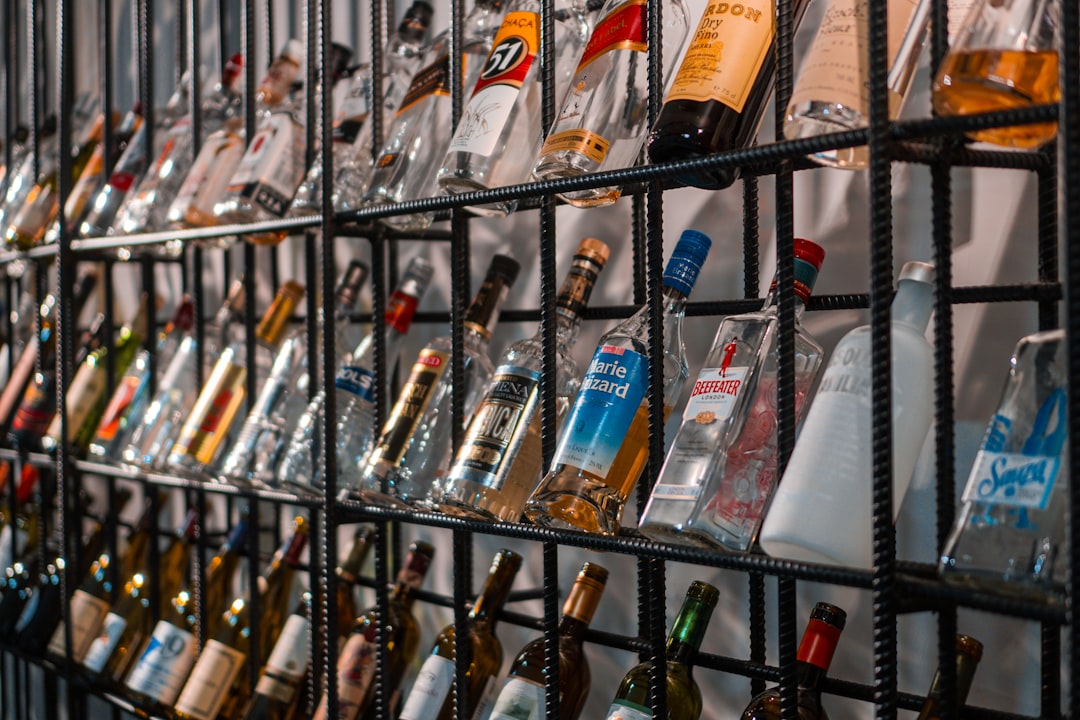
Before diving into complex repairs, it's essential to understand that there are two primary types of wine coolers: compressor-based and thermoelectric. Compressor units work like a standard refrigerator, using a refrigerant and compressor, making them powerful but sometimes noisier. Thermoelectric models use a Peltier device to transfer heat, making them quieter but more sensitive to ambient room temperature. Identifying your model type can help you pinpoint the problem more effectively.
H2: 1. My Wine Cooler Won't Turn On
This is the most basic yet alarming issue. Before assuming the worst, run through these simple checks.
- Check the Power Source: This may seem obvious, but it's the first step. Ensure the power cord is securely plugged into the wall outlet. Try plugging another small appliance into the same outlet to confirm it's working.
- Inspect the Circuit Breaker: Check your home's electrical panel to see if a circuit breaker has been tripped or a fuse has been blown. If so, reset the breaker or replace the fuse.
- Examine the Power Cord: Look for any visible signs of damage, like fraying or cuts. A damaged cord is a safety hazard and needs to be replaced.
- Perform a Power Reset: Sometimes, the cooler's electronics just need a reset. Unplug the unit from the wall, wait for 30-60 minutes, and then plug it back in. This can often resolve minor electronic glitches.
H2: 2. My Wine Cooler Isn't Cooling Properly
A wine cooler that isn't cool is failing its one primary job. This is a common complaint with several potential causes.
- Verify Thermostat Settings: The thermostat may have been accidentally changed. Double-check that it is set to the desired temperature, typically around 45-55°F (7-13°C), depending on the wine.
- Allow for Proper Ventilation: Wine coolers need space to breathe. Freestanding units require several inches of clearance on all sides and the back to dissipate heat. Never install a freestanding model inside a tightly enclosed cabinet. Check your user manual for specific clearance requirements.
- Clean the Condenser Coils: For compressor models, the condenser coils (usually at the back) can get covered in dust and debris. This forces the compressor to work harder and less efficiently. Unplug the unit and use a vacuum with a brush attachment to clean the coils every few months.
- Check the Fans: Both thermoelectric and compressor models have fans that circulate air. Make sure they are not obstructed and are spinning freely. If a fan is broken or clogged with dust, it will need to be cleaned or replaced.
- Don't Overload: Placing too many warm bottles in the cooler at once can overwhelm the system. Allow the unit time to cool down new additions.
H2: 3. The Cooler is Too Cold or Freezing My Wine
Over-chilling can be just as detrimental to wine as overheating. If you find frost inside your cooler or your wine is icy, here's what to do.
- Adjust the Thermostat: The temperature setting might simply be too low. Try raising it by a few degrees.
- Test the Thermostat's Accuracy: A faulty thermostat might be misreading the internal temperature, causing the cooling system to run constantly. Place a separate, reliable thermometer inside the cooler for several hours to compare its reading with the unit's display. If there's a significant discrepancy, the thermostat may need to be replaced.
- Check the Door Seal: A poor seal could cause the cooler to run continuously to compensate for the temperature exchange, leading to over-cooling in some areas.
H2: 4. The Wine Cooler is Making Strange Noises
Wine coolers should operate relatively quietly. Loud or unusual noises can indicate a problem.
- Normal vs. Abnormal Sounds: A quiet hum is normal for compressor models, and the click of the thermostat is also expected. However, loud buzzing, rattling, or grinding are not.
- Level the Unit: If the cooler is not on a level surface, it can cause vibrations. Use a level to check and adjust the feet accordingly.
- Check the Fans: Rattling can sometimes be caused by a fan blade hitting a loose wire or an accumulation of debris. Unplug the unit and inspect the fans for any obstructions.
- Compressor Issues: In compressor units, a repeated clicking sound followed by the compressor shutting off could indicate a problem with the start relay or the compressor itself.
H2: 5. Water is Leaking From My Cooler
Puddles of water are a clear sign that something is wrong. The most likely culprit is a drainage issue.
- Clogged Drain Tube: Most coolers have a small drain inside to manage condensation, which leads to an evaporation pan near the compressor. This tube can become clogged with mold or debris. Unplug the unit and use a pipe cleaner or a gentle blast of air to clear the blockage.
- Cracked Drip Pan: Inspect the drip pan at the back of the unit. If it's cracked or has been dislodged, water will leak onto the floor. This pan may need to be replaced.
- High Humidity: In very humid environments, excessive condensation can form. Ensure the door seal is tight and consider using a dehumidifier in the room.
H2: 6. There is Excessive Condensation or Frost
Condensation on the inside of the glass door or frost buildup on the back wall is often related to airflow and humidity.
- Check the Door Gasket: The primary cause is often a faulty door seal. Run your finger along the gasket to feel for any cool air escaping. Clean the gasket with a mild detergent and warm water. If it's cracked or warped, it will need to be replaced to ensure a tight seal.
- Frequent Door Opening: Opening the door too often allows warm, moist air to enter, leading to condensation. Try to minimize how often you open the unit.
- Defrost the Unit: If frost has already built up on the evaporator, you'll need to defrost the unit. Unplug it and leave the door open until all the ice has melted. Place towels down to catch the water.
H2: 7. The Interior Light is Not Working
A non-functional light is usually a simple fix.
- Replace the Bulb: Just like any other light, the bulb can burn out. Check your manual for the correct type and size, and replace it.
- Check the Door Switch: There is a small switch or button that is depressed when the door closes, turning the light off. If this switch is stuck or broken, the light won't turn on. You may be able to clean it or may need to replace it.
H2: 8. The Wine Cooler Runs Constantly
If your cooler's motor never seems to stop, it's working too hard, which wastes energy and can lead to premature failure.
- Ambient Temperature: If the room is too hot (especially for thermoelectric models), the cooler will struggle to maintain its internal temperature and will run constantly. Try to keep the ambient temperature below 80°F (27°C).
- Dirty Coils and Poor Ventilation: As mentioned before, dirty coils and inadequate clearance force the system to run longer to cool down.
- Faulty Door Seal: A leaky door seal lets cool air out and warm air in, forcing the compressor to run nonstop.
H2: 9. Understanding Dual-Zone Complications
Dual-zone coolers are fantastic for storing different types of wine, but they add a layer of complexity.
- One Zone Not Cooling: If one zone is working and the other isn't, the issue could be with that specific zone's fan, thermostat, or a blocked vent between the sections. Check to make sure bottles are not blocking the internal fans.
- Divider Seal: Inspect the seal on the internal divider to ensure it's secure and creating a proper separation between the two zones.
H2: 10. Proactive Maintenance & When to Call a Professional
The best way to fix a problem is to prevent it.
| Maintenance Task | Frequency | Purpose |
|---|---|---|
| Clean Condenser Coils | Every 2-3 months | Ensures efficient heat exchange and reduces energy consumption. |
| Inspect Door Seals | Quarterly | Prevents cool air loss and maintains temperature stability. |
| Check for Leveling | Annually | Minimizes vibration and operational noise. |
| Verify Temperature | Periodically | Use a separate thermometer to ensure the thermostat is accurate. |
| Ensure Proper Ventilation | Always | Keep the area around the cooler clear of obstructions. |
While many issues can be resolved with DIY troubleshooting, some problems require professional help. If you suspect a refrigerant leak (indicated by an oily residue or chemical smell), or if the compressor has failed, it's time to call a qualified appliance repair technician. Attempting to fix these complex and potentially hazardous components yourself is not recommended.
By following this guide, you can confidently tackle the most common wine cooler fridge issues, ensuring your collection remains perfectly chilled and ready to enjoy for years to come.