
Uncorking the Value: A Guide to Wine Cooler Fridge Pricing and Worth
For wine lovers, a dedicated wine cooler fridge is more than a luxury; it's an essential tool for preserving the quality and value of their collection. But with prices ranging from a couple of hundred dollars to several thousand, the sticker shock can be real. Why such a vast difference? It's like comparing a sports car to a sedan—both have wheels, but what's under the hood is entirely different.
This guide will demystify the world of wine cooler pricing, break down the key components that influence cost, and help you determine if this investment is truly worthwhile for your needs. We'll explore what makes a wine fridge tick, from cooling technology to essential features, so you can make an informed decision and protect your precious bottles.
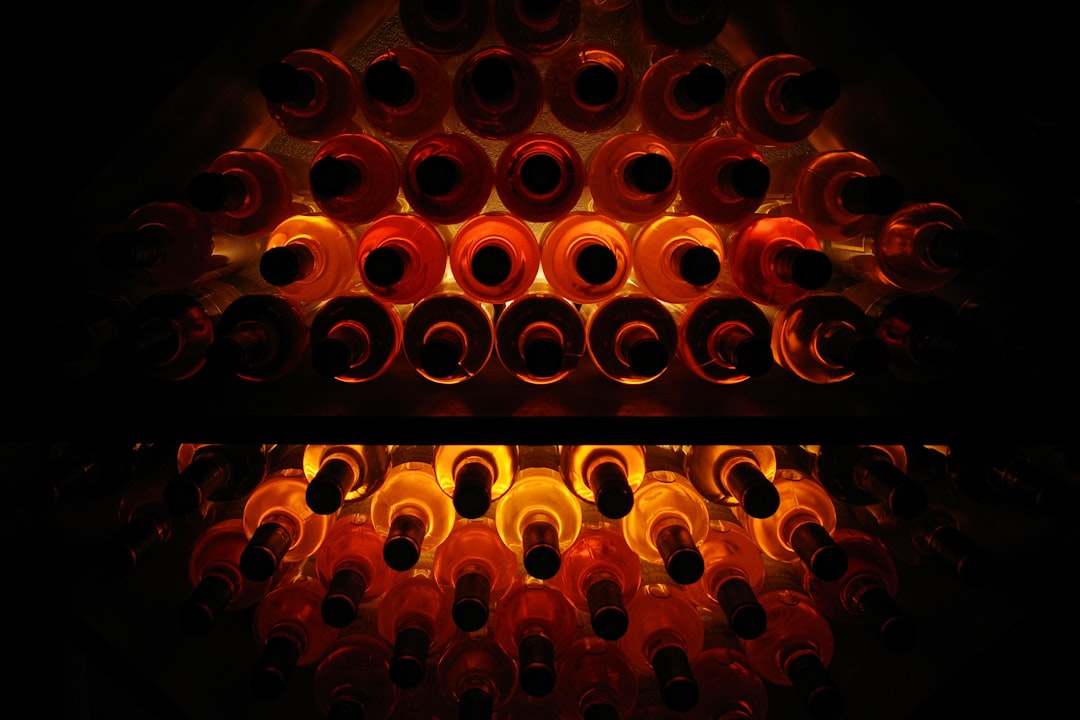
What Drives the Price of a Wine Cooler Fridge?
The cost of a wine cooler is not arbitrary. It's a reflection of the technology, materials, and design engineered to protect against wine's five greatest enemies: temperature, light, vibration, odor, and humidity. Unlike a standard kitchen refrigerator, which is too cold and dry for long-term storage, a wine fridge creates a stable, controlled environment. Let's break down the primary price drivers.
H2: Capacity and Size: How Many Bottles Do You Need?
One of the most significant factors influencing price is capacity. Coolers are measured by the number of standard Bordeaux-style bottles they can hold. Models range from small, 6-bottle countertop units to large, 300+ bottle cellars.
- Small (Under 30 bottles): Ideal for casual drinkers or those with limited space. Prices are generally lower, but cost per bottle can be high.
- Medium (30-100 bottles): A popular choice for growing collections, offering a good balance of storage and footprint.
- Large (100+ bottles): Suited for serious collectors who plan to age wines over the long term. These command a higher price but offer a lower cost per bottle.
Consider not just your current collection, but also your future buying habits. It’s often wise to buy a slightly larger unit than you think you need.
H2: Cooling Technology: Compressor vs. Thermoelectric
A wine cooler's heart is its cooling system. The technology used directly impacts performance, longevity, and price.
| Feature | Compressor Cooling | Thermoelectric Cooling |
|---|---|---|
| How it Works | Uses a vapor compression cycle, similar to a standard fridge. | Uses the Peltier effect, passing a current through a junction to transfer heat. |
| Power & Consistency | More powerful, maintains stable temperatures even in warmer environments. | Quieter and more energy-efficient, but less powerful and struggles in high ambient temperatures. |
| Vibration | Can produce minor vibrations, though high-end models have dampening systems. | Virtually vibration-free, which is ideal for wine. |
| Cost | Generally more expensive upfront. | Less expensive to manufacture, leading to lower-priced models. |
For serious collectors or those living in warm climates, a compressor unit is typically the recommended choice for its reliability and power.

H2: Temperature Zones: Single, Dual, or Multi-Zone?
Different wines are best stored and served at different temperatures. The number of independent temperature zones in a cooler adds to its complexity and cost.
- Single-Zone: Maintains one consistent temperature throughout. Ideal for aging a collection of primarily one type of wine (e.g., all reds). These are the most budget-friendly.
- Dual-Zone: Features two independently controlled compartments. This is perfect for storing reds and whites separately at their optimal temperatures or having one zone for storage and one for serving.
- Multi-Zone: Found in high-end models, offering three or more zones for ultimate flexibility, catering to a diverse collection of reds, whites, and sparkling wines.
Each additional zone requires more sophisticated engineering, sensors, and insulation, which increases the price by roughly 5-10%.
H2: Installation Type: Freestanding vs. Built-In/Undercounter
How you plan to integrate the cooler into your space affects its design and cost.
- Freestanding: These units typically vent from the back and require several inches of clearance for airflow. They are more flexible in placement and generally less expensive.
- Built-in/Undercounter: Designed to fit seamlessly within cabinetry, these models feature front-facing vents. This requires more precise engineering and adds to the cost, but provides a sleek, integrated look popular in modern kitchens.
H2: Build Quality, Materials, and Design
The overall construction and aesthetic features play a huge role in pricing. High-end models use premium materials like stainless steel, seamless glass doors with UV protection, and high-quality wood shelving.
UV-resistant glass is critical, as sunlight can degrade your wine's flavor and color. Furthermore, the quality of the shelving matters. Basic wire racks are cheap but can cause vibrations and tear labels. Smooth-gliding wooden shelves on rails, designed to accommodate various bottle shapes, can account for a significant portion of the cost difference between basic and premium models.
Unpacking the "Value" in a Wine Cooler Fridge
Is a $2,000 wine fridge really ten times better than a $200 one? The answer lies in its long-term value.
H2: Protecting Your Investment
For anyone with more than a few special bottles, a wine cooler is an insurance policy. It prevents spoilage from heat, light, and humidity fluctuations, safeguarding the monetary and sentimental value of your collection. Losing just one or two premium bottles to poor storage can easily exceed the cost of a quality cooler.
H2: Enhancing the Drinking Experience
Proper storage isn't just about preservation; it's about preparation. A wine cooler ensures your wine is always ready to be served at the perfect temperature, unlocking its full aromatic and flavor profile. A dual-zone model allows you to keep your whites perfectly chilled and your reds at a cellar-cool temperature, ready for any occasion.
H2: The Cost of Energy and Maintenance
While focusing on the upfront cost is easy, consider the long-term operational expenses. More expensive models are often more energy-efficient due to better insulation and advanced compressors, which can lead to savings on your electricity bill over time. Additionally, a cheap, poorly made cooler is more likely to fail, leading to costly repairs or, worse, a ruined wine collection.
H2: Advanced Features That Add Value
Premium wine fridges come with features that enhance both protection and convenience:
- Humidity Control: Maintains humidity between 50-70% to prevent corks from drying out.
- Vibration Dampening Systems: Minimizes micro-vibrations that can disturb wine sediment.
- Carbon Air Filtration: Removes odors that could otherwise penetrate the cork and taint the wine.
- Smart Technology: Wi-Fi connectivity for remote temperature monitoring and control via an app.
- Door Alarms & Locks: Alerts you if the door is left ajar and secures your collection.
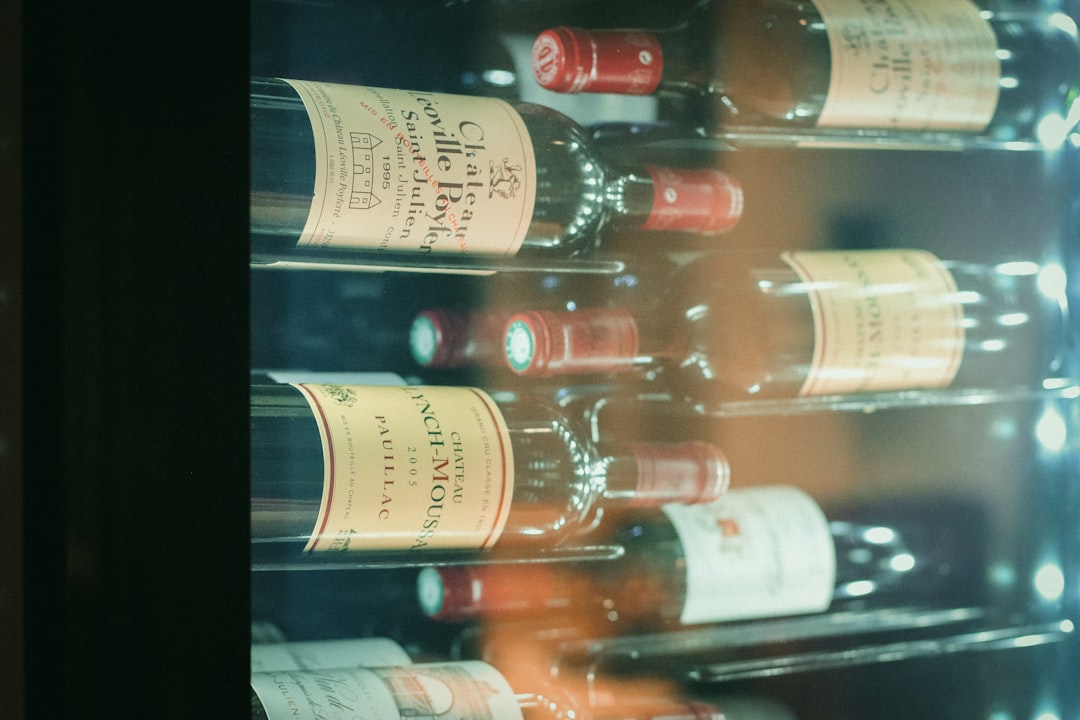
Conclusion: Is a Wine Cooler Fridge a Worthwhile Investment?
For a casual drinker who buys a bottle to enjoy the same week, a wine cooler might be an unnecessary expense. However, if you are a wine enthusiast, collector, or frequent entertainer, the answer is a resounding yes.
A wine cooler fridge is not just a cold box; it is a purpose-built environment designed to protect, age, and prepare your wine. While an entry-level model can provide basic protection, investing in a higher-quality unit with superior technology, build quality, and features offers better long-term value, energy efficiency, and peace of mind.
Ultimately, the right amount to spend depends on the size and value of your collection. By understanding the factors that drive the price, you can choose a wine cooler that not only fits your budget but, more importantly, honors the investment you've made in every bottle.