
The Ultimate Guide to Integrated Wine Cooler Fridges for a Luxurious Kitchen
Designing a modern kitchen is about more than just cabinets and countertops; it's about creating a space that reflects your lifestyle. For a growing number of homeowners, this means integrating a wine cooler fridge. Far from a simple beverage chiller, a dedicated wine fridge is a sophisticated appliance that adds elegance, convenience, and value to your home. It ensures every bottle is preserved and served at its optimal temperature, transforming the heart of your home into a hub for effortless entertaining. Unlike a standard kitchen refrigerator, which is too cold and has fluctuating humidity, a wine cooler provides a stable environment, protecting your collection from premature aging and flavor loss.
What is an Integrated Wine Cooler?
An integrated wine cooler, often called a built-in or under-counter wine fridge, is designed to fit flawlessly into your cabinetry. These units are front-venting, which means they can be installed flush against other appliances and cabinets without the need for clearance on the sides or back. This creates a streamlined, custom look that elevates the entire kitchen design. Panel-ready models take this a step further, allowing you to affix a custom cabinet door to the front so the appliance virtually disappears into your kitchen's aesthetic.
Why Your Kitchen Needs a Wine Cooler Fridge
A wine fridge is an investment in your wine collection and your entertaining lifestyle. By maintaining a consistent temperature and ideal humidity, it protects wine from the environmental damage that can occur in a standard refrigerator. Heat, light, and vibration are the enemies of good wine, and a dedicated cooler mitigates all three. Furthermore, real estate experts report that specialty appliances like integrated wine coolers can significantly increase the perceived value of a home, making them a wise addition for both enjoyment and resale.
Seamless Integration: Built-in vs. Freestanding
Choosing between a built-in and a freestanding model comes down to ventilation and aesthetics.
- Built-In/Integrated: These are the gold standard for a seamless look. With front-facing vents, they are engineered to be enclosed within cabinetry. They maximize space and contribute to a polished, high-end design.
- Freestanding: These models typically vent from the back and require open space for air circulation. They cannot be placed inside a cabinet, as overheating would become a serious risk. They offer more flexibility in placement but do not provide the same streamlined look.
Key Types of Integrated Wine Coolers
Once you decide on a built-in design, you have several options for placement:
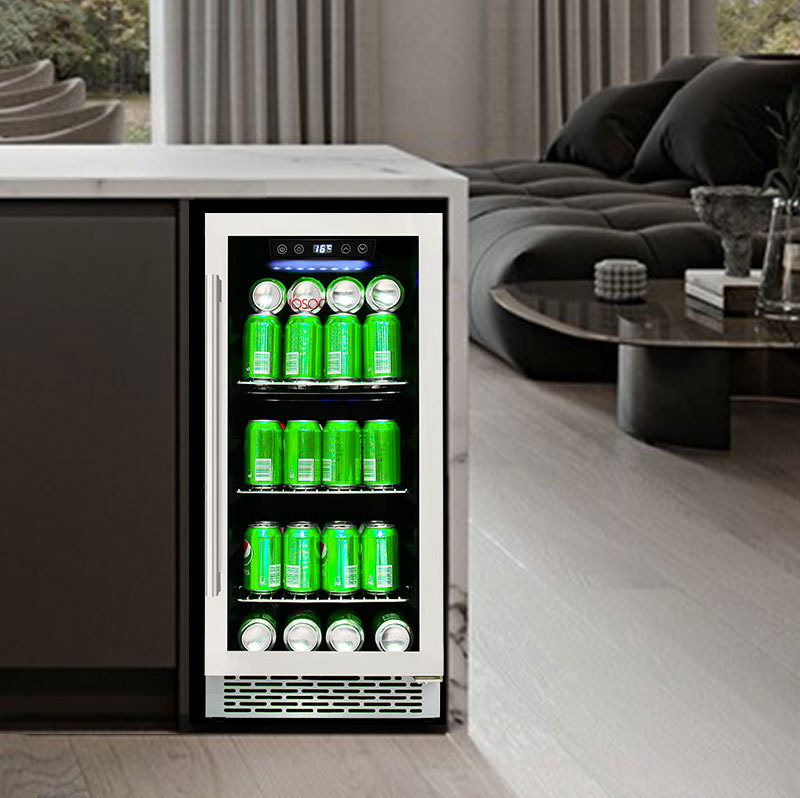
- Under-Counter: This is the most popular style, designed to slide neatly under a standard-height countertop, much like a dishwasher. They are commonly found in kitchen islands or along a perimeter wall.
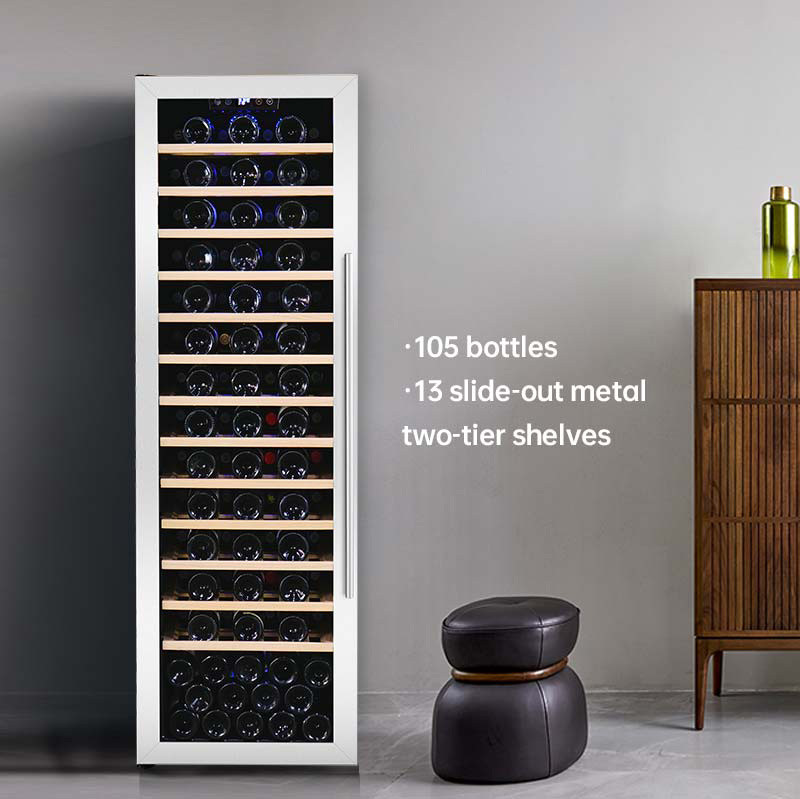
- Column: These are tall, narrow units that can be integrated into a full-height bank of cabinetry, often alongside a traditional refrigerator and freezer. They offer significant bottle capacity and make a dramatic design statement.
- Panel-Ready: These coolers come without a finished door, ready to be fitted with a custom panel that matches your kitchen cabinets perfectly. This allows the unit to blend in completely for the ultimate integrated appearance.
Essential Features to Look For in a Wine Fridge
Modern wine fridges offer a host of features designed for optimal preservation and convenience:
- Compressor Cooling: This technology is more powerful and maintains a more stable temperature than thermoelectric models, making it ideal for most kitchen environments.
- UV-Protected Glass Door: UV rays can damage wine and cause premature aging. A double- or triple-paned glass door with a protective coating is crucial to shield your collection.
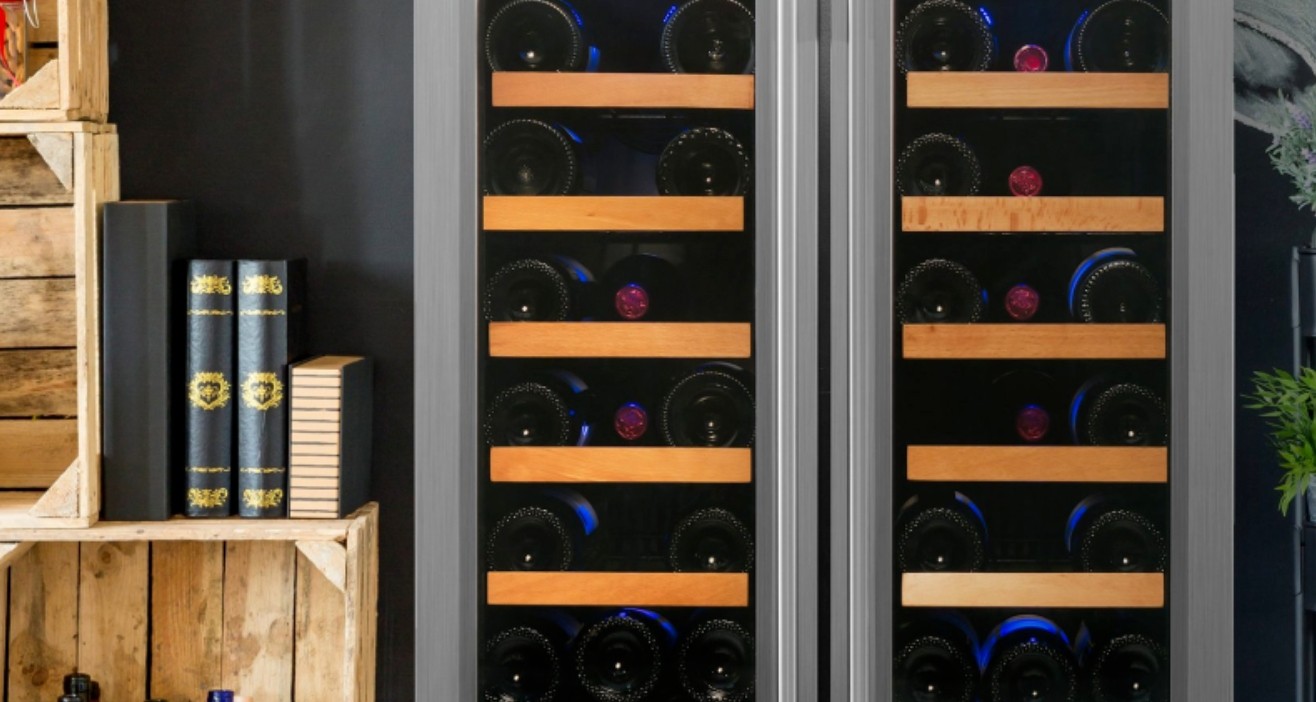
- Low-Vibration Technology: Vibrations can disturb the sediment in wine, negatively affecting the aging process. Look for models with vibration-dampening systems and wooden shelves that help absorb movement.
- Adjustable Shelving: To accommodate bottles of various shapes and sizes—from standard Bordeaux to wider Burgundy and Champagne bottles—adjustable or removable shelves are a must.
- LED Lighting: This provides beautiful illumination without emitting heat, which could affect the wine's temperature.
Single Zone vs. Dual Zone: What's the Difference?
This is one of the most critical decisions you'll make. The choice depends entirely on the variety of your wine collection.
| Feature | Single Zone Wine Cooler | Dual Zone Wine Cooler |
|---|---|---|
| Temperature | One consistent temperature throughout the unit. | Two independently controlled temperature sections. |
| Best For | Storing only one type of wine (all reds or all whites) or for long-term aging of all wines at a single cellar temperature. | Collectors with a mix of red and white wines who want to store each at its ideal serving temperature. |
| Versatility | Less flexible for serving. | Highly versatile; allows for chilling whites and cellaring reds in the same unit. |
Preserving Your Collection: The Importance of Humidity Control
While temperature is paramount, humidity also plays a vital role, especially for long-term storage. A proper wine fridge maintains humidity levels that keep corks from drying out. A dried-out cork can shrink, allowing air to enter the bottle and oxidize the wine, spoiling its flavor and aroma. Advanced units offer digital humidity control for ultimate peace of mind.
Installation 101: What to Consider
Proper installation is key to your wine fridge's performance and longevity.
- Measure Carefully: Before purchasing, measure the height, width, and depth of your intended space. Remember to account for the door swing and any necessary clearance specified by the manufacturer.
- Ensure Proper Ventilation: Even with front-venting models, it's crucial not to block the grille, often located at the bottom of the unit. If you're running a continuous plinth or toe-kick across your cabinetry, a vent must be cut into it to allow for proper airflow.
- Level the Unit: An unlevel cooler can cause the compressor to work harder and may lead to increased vibration. Use the adjustable leveling feet to ensure it is perfectly stable.
- Electrical Access: Plan for a dedicated electrical outlet to be located conveniently behind or adjacent to the unit's location.
Matching Your Cooler to Your Kitchen's Aesthetic
An integrated wine cooler should be a design feature, not an afterthought. Consider a model with a stainless steel trimmed door to match other appliances for a professional, cohesive look. Alternatively, choose a panel-ready option for a subtle, fully integrated style. Many high-end coolers also offer interior design choices, such as beechwood or metal shelving, to add a touch of luxury.
Conclusion: Elevate Your Home with the Perfect Wine Cooler
An integrated wine cooler fridge is more than a luxury—it's an essential component of a modern, functional, and stylish kitchen. It protects your valuable wine collection, enhances your ability to entertain, and adds tangible value to your home. By choosing the right type, considering key features like dual-zone cooling and UV protection, and ensuring proper installation, you can seamlessly incorporate this sophisticated appliance into your design and enjoy perfectly preserved wine for years to come.