
The Ultimate Guide to Integrated Wine Cooler Fridges: Selection to Installation
A built-in wine cooler fridge is more than just an appliance; it's a statement of sophistication and a commitment to the art of wine. For enthusiasts who appreciate both fine wine and seamless interior design, integrating a dedicated cooler into your kitchen or bar area is the ultimate upgrade. It not only provides the perfect storage conditions to protect your investment but also elevates your home's aesthetic, offering a sleek, professional look. This guide will walk you through everything you need to know about choosing and installing the perfect integrated wine cooler.
What is an Integrated Wine Cooler Fridge?
An integrated wine cooler, also known as a built-in or under-counter wine fridge, is specifically designed to fit flush within your cabinetry. Unlike freestanding models that require clearance on all sides for ventilation, integrated units feature front-facing vents, usually at the base. This design allows them to expel warm air from the front, enabling a seamless installation under a countertop or amidst a bank of cabinets without the risk of overheating. The result is a clean, custom look that makes the cooler appear as a natural part of your kitchen's architecture.
The Art of Seamless Integration: Built-in vs. Freestanding
The primary distinction between built-in and freestanding wine coolers is ventilation. A freestanding unit cannot be placed inside a tight cabinet enclosure because its vents are typically on the back or sides, and blocking them would cause the compressor to overwork and eventually fail. A true built-in model is engineered for this exact purpose.
Pros of Integrated Coolers:
- Aesthetic Appeal: They offer a high-end, streamlined look that enhances kitchen design.
- Space Efficiency: By fitting under counters, they save valuable floor space.
- Customization: Many models are "panel-ready," allowing you to attach a custom cabinet front that matches your kitchen perfectly.
Cons of Integrated Coolers:
- Higher Cost: They are generally more expensive than their freestanding counterparts.
- Installation: Installation is more complex and may require professional assistance to ensure a perfect fit and proper connection.
Single Zone vs. Dual Zone: Which is Right for Your Collection?
One of the most critical decisions is choosing between a single-zone and a dual-zone cooler. The choice depends entirely on the diversity of your wine collection and your intended use.
- Single-Zone Coolers: Maintain one consistent temperature throughout the unit. They are ideal for collectors who focus on one type of wine (e.g., all reds or all whites) or for those whose primary goal is long-term aging at a cellar temperature (around 55°F or 13°C).
- Dual-Zone Coolers: Feature two independently controlled compartments. This is perfect for the versatile enthusiast who enjoys keeping both red and white wines at their ideal serving temperatures simultaneously. Typically, the upper zone might be set cooler for whites and sparkling wines (45-52°F or 7-11°C), while the lower zone is set warmer for reds (55-64°F or 13-18°C).
| Feature | Single Zone Cooler | Dual Zone Cooler |
|---|---|---|
| Best For | Long-term aging or storing one type of wine. | Storing varied collections (reds & whites) at ready-to-serve temperatures. |
| Flexibility | Limited to one temperature setting. | High; two separate zones for different wine types. |
| Cost | Generally more affordable. | Typically more expensive due to added complexity. |
| Energy Use | Slightly more energy-efficient. | Uses more energy to maintain two distinct climates. |
Capacity Matters: Sizing Your Wine Cooler
Wine coolers are sized by the approximate number of standard 750ml Bordeaux-style bottles they can hold. It's crucial to think about not just your current collection, but also your future buying habits. A common recommendation is to buy a cooler with at least 20-30% more capacity than you currently need.
- 15-inch Models: These slim units are perfect for smaller spaces or replacing an old trash compactor, typically holding 20-30 bottles.
- 24-inch Models: The most common under-counter size, fitting a standard dishwasher slot and holding around 40-55 bottles.
- Larger Columns: For serious collectors, tall, full-height column refrigerators can hold 100-300 bottles and become a stunning feature wall.
Remember that capacity ratings are often based on ideal conditions. If you collect wider bottles like those for Burgundy or Champagne, the actual capacity may be lower.
Essential Features for Perfect Wine Preservation
Beyond temperature, several other factors are vital for keeping your wine in pristine condition. A quality wine fridge manages all of them.
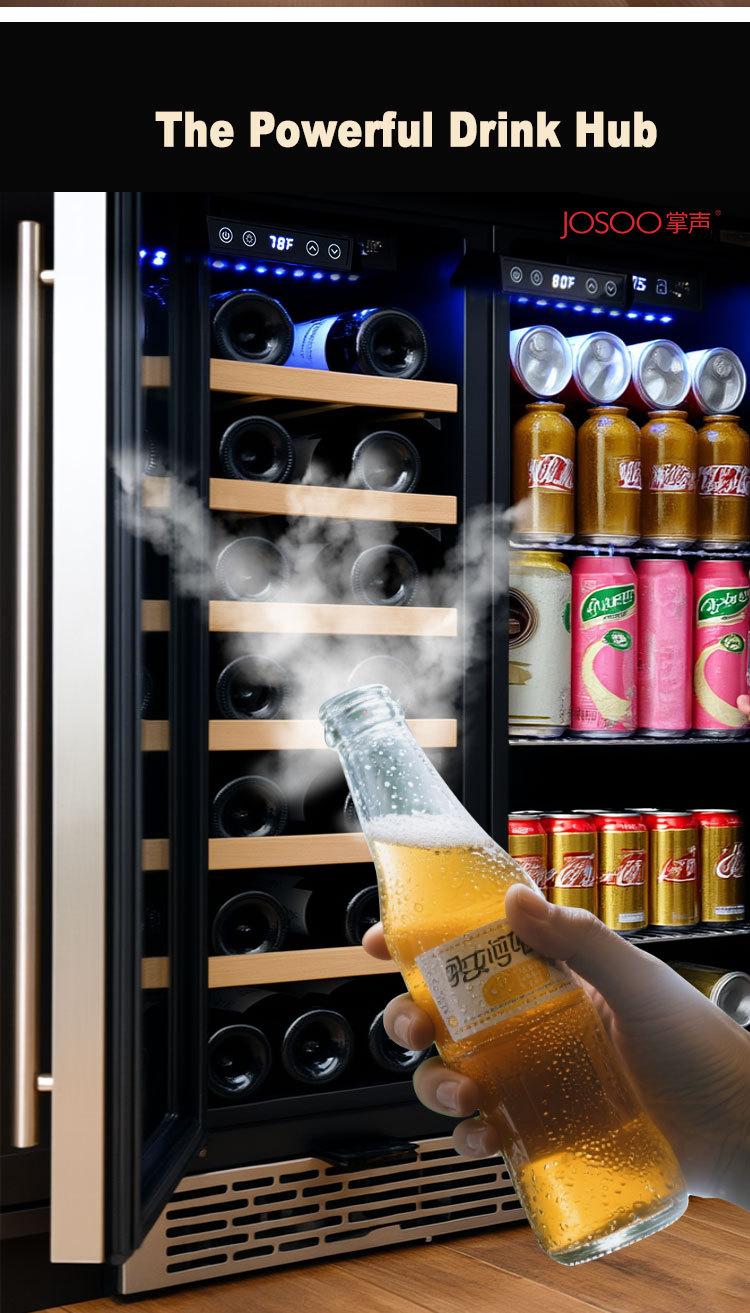
- UV-Protected Glass Door: Sunlight and even harsh indoor lighting can damage a wine's delicate chemical compounds. A tinted, dual-paned, UV-resistant glass door is a non-negotiable feature.
- Vibration Reduction System: The subtle vibrations from a compressor or surrounding foot traffic can disturb the sediment in aging wines. Look for models with vibration-dampening technology and smooth-gliding wooden shelves, which also help absorb micro-vibrations.
- Humidity Control: Proper humidity (ideally 50-70%) is crucial to keep corks from drying out, which can lead to oxidation and spoilage. While most coolers maintain this naturally, some high-end models offer active humidity control.
Understanding Ventilation: The Key to Built-in Installation
As mentioned, front ventilation is the defining feature of a built-in wine cooler. The vent, or grille, at the bottom of the unit must remain unobstructed. When installing, it's essential to follow the manufacturer's specifications for clearance. Even if you're using a custom plinth or toe-kick to match your cabinetry, it must have a cutout or grille that allows for clear airflow to and from the unit's ventilation system.
Beyond the Basics: Advanced Wine Cooler Features
For those seeking the best experience, premium wine coolers offer a range of advanced options:
- Carbon Filters: An internal fan may circulate air through a carbon filter to protect against kitchen odors that could otherwise penetrate the cork.
- LED Lighting: Soft internal LED lighting showcases your collection without generating heat.
- Reversible Door Hinge: This provides flexibility in installation, allowing you to choose whether the door swings left or right.
- Door Alarms: An audible alert if the door is left ajar, preventing temperature fluctuations.
- Security Locks: A simple lock can provide peace of mind, especially in households with children.
Design and Aesthetics: Matching Your Kitchen's Style
An integrated cooler should be a design asset. Consider the finish—stainless steel is a timeless classic, while a black or smoked glass finish can create a modern, dramatic look. For the ultimate seamless appearance, choose a panel-ready model. This allows your cabinet maker to create a door front that matches your other cupboards exactly, making the wine fridge virtually disappear into the kitchen design.
Installation Checklist: What to Know Before You Buy
Proper installation is crucial for performance and longevity. Here’s a quick checklist:
- Measure, Measure, Measure: Carefully measure the height, width, and depth of the intended space. Compare it against the appliance's specifications, allowing for any required clearance.
- Check Power Access: Ensure there is a grounded electrical outlet within reach. Avoid using extension cords, as they can be unsafe and may void the warranty.
- Ensure a Level Surface: The unit must be perfectly level to ensure the door seals properly and the compressor runs efficiently. Most units have adjustable feet for fine-tuning.
- Allow Coolant to Settle: After moving the unit into place, let it stand upright for at least a couple of hours (or as directed by the manual) before plugging it in to allow the coolant to settle.
- Verify Ventilation: Double-check that the front vent is completely clear of any obstructions.
Maintaining Your Integrated Wine Cooler for Longevity
To keep your wine cooler running smoothly for years, perform simple maintenance. Regularly dust the front ventilation grille to ensure clear airflow. Wipe down the interior periodically with a mild solution of water and baking soda to keep it fresh. Check the door seal to make sure it's tight and clean. With these simple steps, your integrated wine cooler will remain a reliable and elegant centerpiece for your wine collection, ensuring every bottle you open is perfectly preserved and ready to enjoy.