
The Ultimate Guide to Choosing the Perfect Wine Cooler Fridge for Your Collection
For any wine lover, from the casual sipper to the seasoned collector, proper storage is non-negotiable. The delicate flavors, complex aromas, and rich character of your favorite bottles are incredibly sensitive to their environment. Temperature, light, and vibration can all degrade the quality of a wine, turning a prized vintage into a disappointing experience. A standard kitchen refrigerator is simply too cold and its humidity too low for long-term storage.
This is where a specialized wine cooler fridge comes in. It is an essential appliance designed to create the perfect conditions for your wine to mature gracefully and be served at its absolute best. This comprehensive guide will walk you through everything you need to know to select the ideal wine cooler for your home and collection.
Why Your Wine Collection Deserves More Than a Regular Fridge
A standard refrigerator is designed to keep a wide variety of foods fresh, which means maintaining a temperature below 40°F and very low humidity. This environment is harmful to wine. The cold can stunt the aging process and mute flavors, while the dry air can cause corks to shrink, allowing oxygen to seep in and spoil the wine. A dedicated wine cooler fridge solves these problems by providing a stable, temperature-controlled environment specifically tailored to the needs of wine.
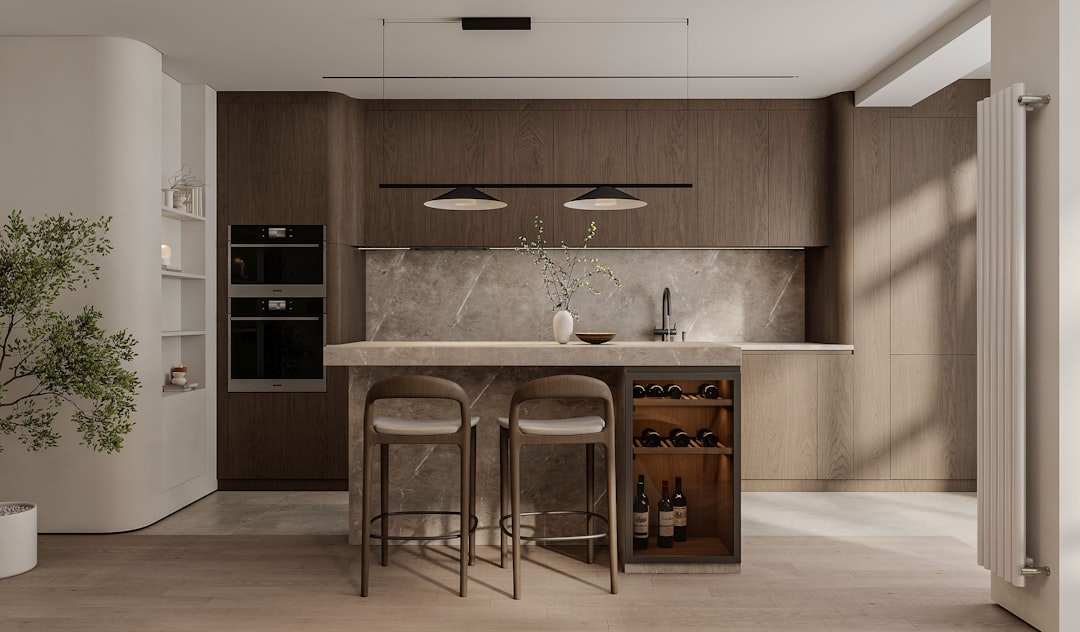
Understanding the Basics: What is a Wine Cooler Fridge?
A wine cooler, also known as a wine refrigerator, is a purpose-built appliance that maintains a consistent temperature to protect and preserve wine. Unlike a standard fridge, it operates within a narrower temperature range, typically between 45°F and 65°F. Key features often include UV-protected glass doors to shield wine from harmful light, vibration-dampening systems to prevent sediment disturbance, and precise humidity controls to keep corks in optimal condition.
The Great Debate: Single Zone vs. Dual Zone Coolers
One of the first decisions you'll face is choosing between a single-zone and a dual-zone model. A single-zone cooler maintains one consistent temperature throughout the entire unit. This is an excellent choice if you primarily collect one type of wine, such as all reds or all whites. They are often more budget-friendly and perfect for beginners or those with a uniform collection.
However, if your collection is diverse, a dual-zone cooler is the superior choice. These units feature two separate compartments with independent temperature controls, allowing you to store different types of wine at their ideal conditions within the same appliance.
Dual Zone Wine Coolers: The Best of Both Worlds
For the versatile collector, a dual-zone wine fridge is a game-changer. It provides the flexibility to store both red and white wines at their perfect respective temperatures. You can set the upper zone to a cooler temperature (e.g., 45-55°F) for your whites, rosés, and sparkling wines, while keeping the lower zone slightly warmer (e.g., 55-65°F) for your reds. This ensures every bottle is ready to be served at a moment's notice, expressing its intended flavor profile perfectly. Some enthusiasts even use one zone for long-term aging and the other for service-ready bottles.
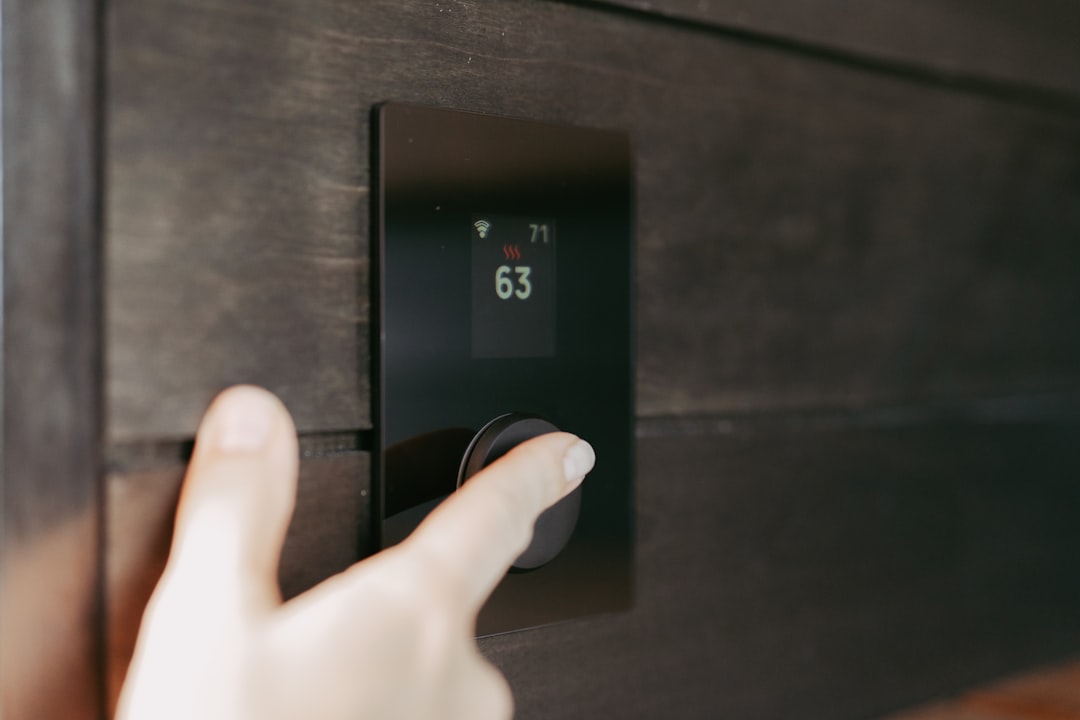
Key Feature #1: Compressor vs. Thermoelectric Cooling
Wine coolers use two main types of cooling technology:
- Compressor Cooling: This is the same technology used in standard refrigerators. It's powerful, capable of reaching colder temperatures, and is less affected by ambient room temperature. While traditionally more prone to small vibrations, modern high-end models have integrated advanced dampening systems to make them whisper-quiet and stable.
- Thermoelectric Cooling: This method uses a ceramic tile and an electrical current to transfer heat out of the cooler. It's virtually silent and vibration-free, making it ideal for smaller spaces or quieter rooms. However, its cooling ability is dependent on the ambient temperature, and it may struggle to maintain its target temperature in a very warm room.
Key Feature #2: Built-in, Freestanding, or Countertop?
How you plan to integrate the cooler into your space is a crucial factor:
- Freestanding: These models offer the most flexibility. They are finished on all sides and can be placed anywhere with a power outlet. They require clearance around the sides and back for proper ventilation.
- Built-in: Designed for a seamless, integrated look, these coolers are made to be installed under a counter or within cabinetry. They feature front-facing vents, so they don't require clearance on the sides.
- Countertop: As the name suggests, these are compact units designed to sit on a countertop. They are perfect for those with very small collections or limited space.
Getting the Size Right: How to Choose Bottle Capacity
Wine coolers are sized by the number of standard 750ml Bordeaux-style bottles they can hold. Capacities can range from small 12-bottle units to massive cellars holding over 180 bottles. When choosing a size, it's wise to plan for the future. A good rule of thumb is to buy a cooler with at least 25-50% more capacity than your current collection to allow for growth.
Essential Features for Protecting Your Investment
To give your wine the best possible protection, look for these features:
- UV-Protected Glass Door: Exposure to UV light can prematurely age and damage wine. A tinted, dual-pane, or triple-pane glass door is essential.
- Vibration Control: Vibrations can disturb the sediment in older wines and negatively impact the aging process. Look for coolers with vibration-dampening technology and sturdy, non-vibrating shelves.
- Humidity Control: The ideal humidity for wine storage is between 50-70%. This keeps corks moist and prevents them from drying out.
- Removable Shelving: Adjustable or removable shelves allow you to customize the interior to accommodate larger or uniquely shaped bottles, like those for Champagne or Pinot Noir.
Setting Up Your Wine Cooler: Ideal Temperatures for Your Wines
Properly setting the temperature is the most critical step. Different wines have different needs for both serving and long-term storage. While long-term aging for all wines is ideally done around 55°F, serving temperatures vary. A dual-zone cooler allows you to accommodate this perfectly.
| Wine Type | Ideal Serving Temperature (°F) |
|---|---|
| Sparkling & Rosé Wine | 40-50°F |
| Light-Bodied White Wine | 45-55°F |
| Full-Bodied White Wine | 50-60°F |
| Light-Bodied Red Wine | 55-60°F |
| Full-Bodied Red Wine | 60-65°F |
Maintaining Your Wine Fridge for Longevity
To ensure your wine fridge performs optimally for years to come, regular maintenance is key. Keep the interior and exterior clean, and ensure the ventilation grilles are free of dust and obstructions. For compressor models, periodically check that the condenser coils are clean. Most importantly, avoid frequent temperature changes and allow the cooler to run consistently to maintain a stable environment for your wine.
Elevate Your Home with the Right Wine Cooler
Choosing the right wine cooler fridge is an investment in your passion. It protects your collection, ensures every bottle is enjoyed as the winemaker intended, and adds a touch of sophistication to your home. By considering your collection's diversity, your available space, and the key features that matter most, you can select a wine cooler that will bring you enjoyment for many years. Cheers to perfectly stored and served wine!