
The Ultimate Guide to Choosing the Perfect Wine Cooler Fridge for Your Collection in 2025
Your Definitive Guide to Selecting the Perfect Wine Cooler Fridge
For anyone who appreciates wine, from the casual drinker to the seasoned connoisseur, proper storage is paramount. A dedicated wine cooler fridge is not a luxury; it's an essential tool for preserving the complex flavors and aromas of your collection. Unlike a standard kitchen refrigerator, a wine cooler maintains a consistent temperature and optimal humidity, protecting your investment from damaging fluctuations, light, and vibration. This guide will walk you through everything you need to know to choose the perfect unit for your needs.
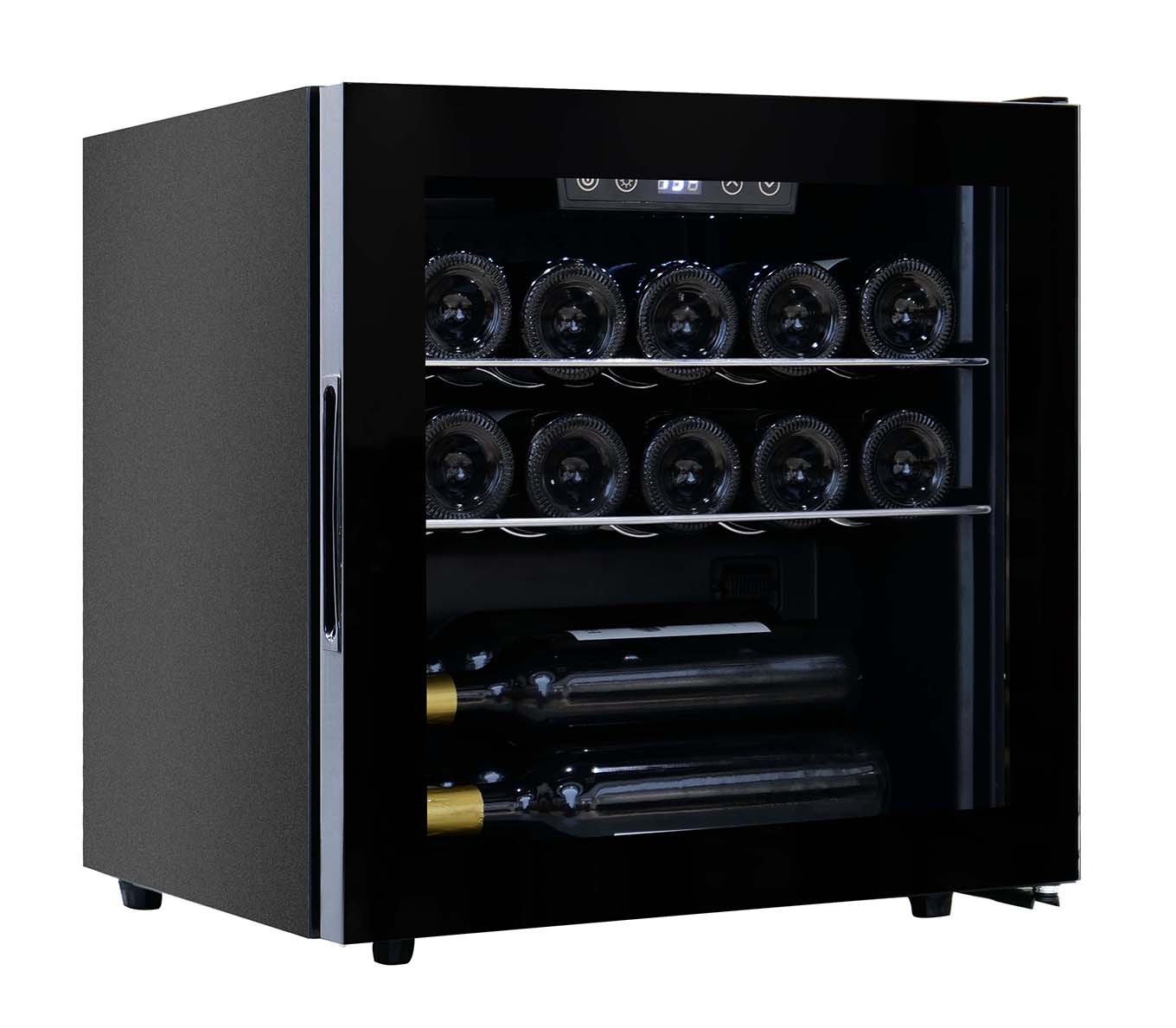
Why You Need a Dedicated Wine Fridge
A standard refrigerator is too cold and lacks the humidity control needed for long-term wine storage. Temperatures below 45°F (7°C) can cause corks to dry out, leading to oxidation and spoiled wine. A wine cooler, on the other hand, is specifically designed to create the perfect cellar environment. It controls temperature, manages humidity, and protects your bottles from harmful UV rays and vibrations that can disturb the sediment in older wines.
Compressor vs. Thermoelectric: Understanding the Cooling Technology
The most critical decision you'll make is choosing between a compressor-based or a thermoelectric cooling system. Each has distinct advantages and is suited for different environments and collection sizes.
- Compressor Wine Coolers: These operate like a smaller version of your main refrigerator, using a refrigerant to actively cool the interior. They are powerful, capable of reaching lower temperatures, and maintain consistency even in warmer ambient environments. This makes them ideal for serious collectors or for placement in garages or warmer rooms. While traditionally louder, modern designs have significantly reduced noise and vibration.
- Thermoelectric Wine Coolers: These use the Peltier effect, a process involving an electric current to transfer heat from the inside to the outside. Their main benefits are near-silent, vibration-free operation and greater energy efficiency in stable, cooler climates. They are perfect for smaller countertop units and for storing wine in quiet living areas. However, their cooling power is dependent on the ambient temperature and they are not recommended for hot environments.
Single-Zone vs. Dual-Zone: Tailoring Storage to Your Collection
Once you’ve chosen a cooling technology, the next consideration is temperature zones. Your choice will depend on the diversity of your wine collection.
- Single-Zone Coolers: These units maintain one consistent temperature throughout the entire cabinet. They are simpler, more energy-efficient, and often more budget-friendly. A single-zone cooler is the perfect choice for enthusiasts who primarily collect one type of wine (like all reds or all whites) or for those who are focused on long-term aging at a consistent cellar temperature, typically around 55°F (13°C).
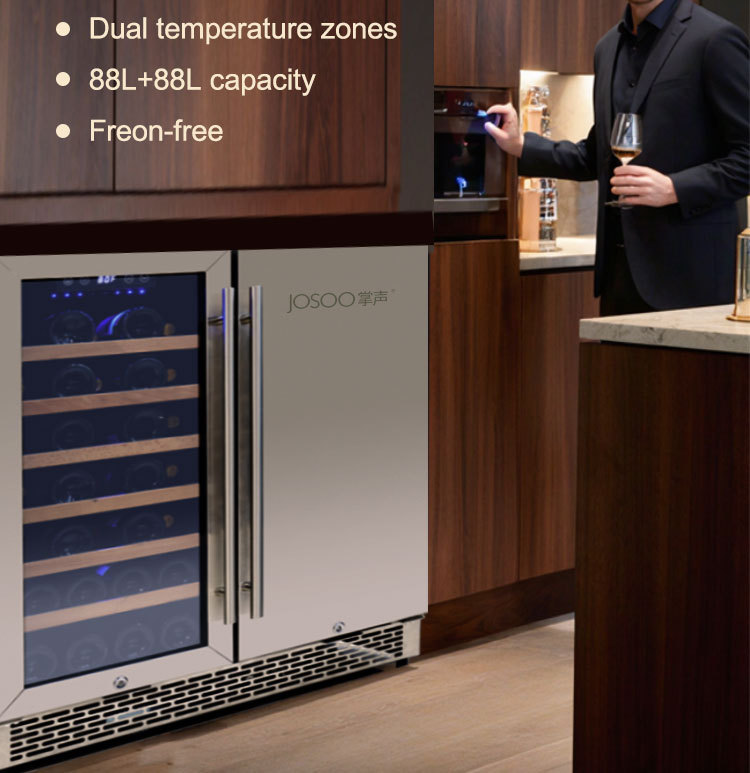
- Dual-Zone Coolers: As the name suggests, these models feature two independently controlled temperature compartments. This offers incredible flexibility, allowing you to store red wines at their ideal cellaring temperature (e.g., 55°F / 13°C) in one section, while keeping white wines, rosés, and sparkling varieties chilled and ready to serve (e.g., 45-52°F / 7-11°C) in the other. This is the ultimate solution for entertainers and collectors with diverse tastes.
Determining the Right Capacity and Size
Wine coolers come in all shapes and sizes, from small 8-bottle countertop models to large units that can hold over 100 bottles. When choosing a size, think about your current collection and your future collecting habits. A good rule of thumb is to choose a cooler that can hold at least 30-40% more bottles than you currently own to accommodate collection growth. Also, be aware that most capacity ratings are based on standard 750ml Bordeaux-style bottles. If you collect wider bottles like those used for Pinot Noir or Champagne, the actual capacity may be lower.
Essential Features to Look For
Beyond the core technology, several features can significantly enhance your wine storage experience.
- UV-Protected Glass Door: Exposure to UV light can prematurely age and damage wine. A double-paned or specially-coated glass door is crucial for filtering out harmful rays, especially if the cooler is placed in a well-lit room.
- Adjustable Shelving: Look for coolers with removable or adjustable shelves to accommodate bottles of various shapes and sizes, from tall Rieslings to wide Champagne bottles.
- Low-Vibration Operation: Vibration can disturb the natural aging process of wine by stirring up sediment. Compressor models should have a vibration-dampening system, while thermoelectric models are naturally vibration-free.
- Digital Temperature Control: A user-friendly digital thermostat allows for precise and easy temperature adjustments, ensuring your wine is always stored under optimal conditions.
- Security Lock: For households with children or for those storing valuable bottles, a built-in lock provides essential security and peace of mind.
Freestanding vs. Built-In Installation
Consider where you will place your wine cooler fridge.
- Freestanding units are the most common and versatile. They typically vent from the back and require several inches of clearance around the sides and rear for proper airflow. They can be placed anywhere in your home.
- Built-in or undercounter models are designed to fit seamlessly within your cabinetry for a sleek, integrated look. These units vent from the front and can be installed flush with your cabinets. They are a popular choice for kitchen remodels and home bars.
Understanding Temperature for Serving and Storing
Proper temperature is everything. For long-term aging of all wine types—red, white, and sparkling—the ideal temperature is a consistent 55°F (13°C). However, serving temperatures vary:
- Red Wines: 60-68°F (15-20°C)
- White Wines & Rosés: 45-55°F (7-13°C)
- Sparkling Wines: 40-45°F (4-7°C)
A dual-zone cooler is perfect for managing both long-term storage and ready-to-serve temperatures simultaneously.
Comparison of Key Wine Cooler Features
To help you decide, here is a quick comparison table summarizing the key choices:
| Feature | Option 1 | Option 2 |
|---|---|---|
| Cooling System | Compressor (Powerful, consistent in warm rooms) | Thermoelectric (Quiet, energy-efficient, vibration-free) |
| Temperature Zones | Single-Zone (For uniform collections, aging) | Dual-Zone (For mixed collections, serving flexibility) |
| Installation | Freestanding (Versatile placement, affordable) | Built-in (Integrated look, front-venting) |
Caring for Your Wine Cooler
To ensure your wine fridge operates efficiently for years to come, perform regular maintenance. Keep the exterior and interior clean, ensure the vents are not blocked, and periodically check the door seal for any leaks. Most modern units feature auto-defrost functions, which simplifies upkeep significantly.
Conclusion: Cheers to the Perfect Choice
Choosing the right wine cooler fridge is a crucial step in elevating your wine journey. By considering the type of cooling system, the number of temperature zones, capacity, and key features like UV protection, you can confidently select a model that will protect your collection and ensure every bottle is perfectly preserved and ready to be enjoyed. Whether it's a compact countertop unit for your apartment or a large dual-zone cellar for your growing collection, the perfect wine cooler is waiting for you.