
The Ultimate Guide to Choosing the Perfect Home Wine Cooler for Your Collection
Why Every Wine Lover Needs a Home Wine Cooler
If you appreciate wine, you know that temperature is everything. Storing your bottles in a standard kitchen refrigerator or on a countertop can expose them to temperature fluctuations, light, and vibrations that can ruin their delicate flavors and aromas. A dedicated wine cooler is not a luxury; it's an essential tool for preserving the quality and integrity of your collection. It maintains a consistent, optimized environment, ensuring that every bottle you open tastes exactly as the winemaker intended, whether you plan to drink it next week or a decade from now. Proper storage protects your investment and elevates your tasting experience from good to exceptional.
Understanding the Core Technology: Compressor vs. Thermoelectric
When you start shopping, you'll encounter two main types of cooling systems: compressor and thermoelectric. Understanding their differences is key to choosing the right unit for your needs.
- Compressor Wine Coolers: These operate like a standard refrigerator, using a refrigerant and a compressor to generate cold air. They are powerful, capable of reaching lower temperatures, and are less affected by the ambient temperature of the room. This makes them ideal for warmer climates or for chilling white and sparkling wines to very cool temperatures. However, they can be noisier and produce micro-vibrations.
- Thermoelectric Wine Coolers: This technology uses the Peltier effect, a process that transfers heat from one side of the unit to the other without moving parts. As a result, thermoelectric coolers are virtually silent and vibration-free, which is ideal for protecting the delicate sediment in aging wines. They are also more energy-efficient and environmentally friendly. Their main limitation is that their cooling power is dependent on the surrounding temperature; they typically can only cool to about 20-25°F below the ambient room temperature, making them less suitable for hot environments.
| Feature | Compressor Cooler | Thermoelectric Cooler |
|---|---|---|
| Cooling Power | High (unaffected by ambient temp) | Moderate (affected by ambient temp) |
| Noise Level | Moderate hum | Virtually silent |
| Vibrations | Minor vibrations | No vibrations |
| Energy Efficiency | Good | Excellent |
| Best For | Warmer climates, larger collections | Quiet living areas, small collections |
Single Zone vs. Dual Zone: Which Is Right for You?
The next major decision is whether to opt for a single-zone or dual-zone model. Your choice will depend on the diversity of your wine collection and how you plan to serve it.
Single-Zone Coolers maintain one consistent temperature throughout the unit. This is a perfect, cost-effective solution if you primarily collect one type of wine (like all reds or all whites) or if you are focused on long-term aging at a cellar temperature of around 55°F (13°C).
Dual-Zone Coolers feature two independently controlled compartments, allowing you to store different types of wine at their ideal serving temperatures simultaneously. For example, you can keep whites and sparkling wines chilled in one section at 45-50°F (7-10°C) while keeping reds in the other at 55-65°F (13-18°C). This versatility is invaluable for entertainers and collectors with diverse tastes.
Freestanding vs. Built-in: Integrating a Cooler into Your Home
How your wine cooler fits into your space is just as important as its technical features.
- Freestanding models are versatile and can be placed anywhere there's a power outlet. They typically require several inches of clearance around the sides and back for proper ventilation, as their heat is often dispersed from the rear.
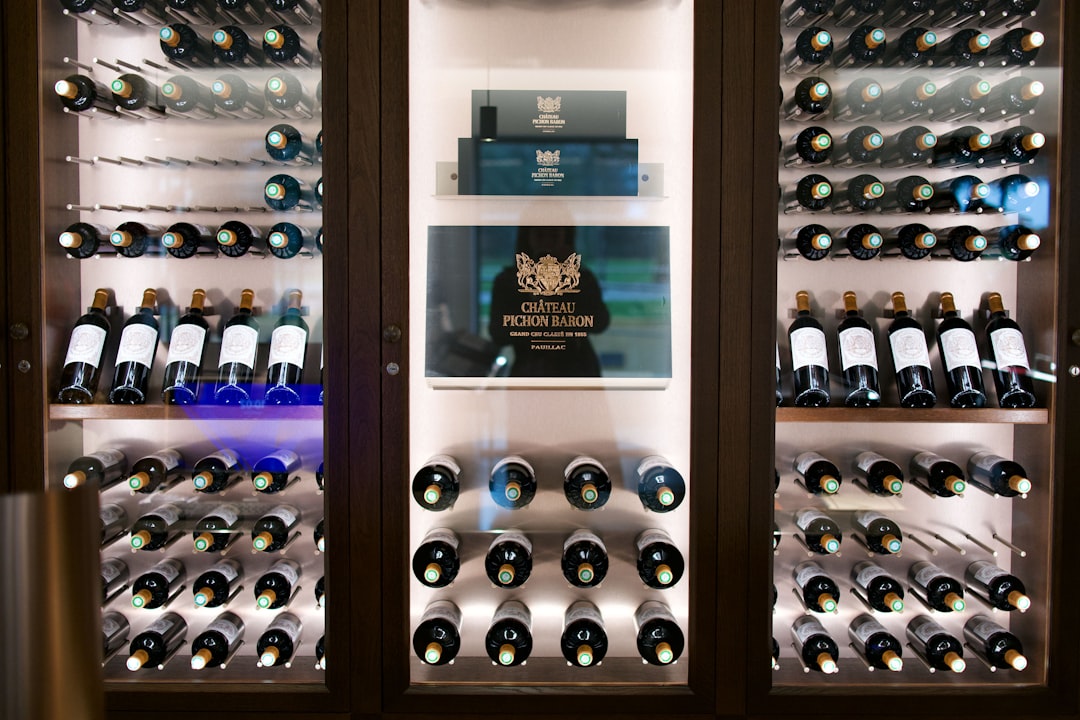
- Built-in models are designed to be installed flush with your cabinetry for a seamless, integrated look. These units feature front-facing vents, allowing them to breathe properly without needing side or rear clearance. They are a popular choice for modern kitchens and home bars but often come at a higher price point.
Decoding Capacity: How Many Bottles Do You Really Need?
Wine cooler capacity is measured in standard 750ml Bordeaux-style bottles. If your collection includes wider bottles like those for Pinot Noir or Champagne, the actual capacity may be lower. It's a common rule of thumb to buy a cooler that's slightly larger than your current collection to allow room for growth. Units can range from compact 6-bottle models perfect for a countertop to large cabinets that hold over 300 bottles. A mid-size cooler of 20-50 bottles is often a great starting point for many enthusiasts.
Essential Features to Look For in a Modern Wine Cooler
Beyond the core specifications, several features can significantly enhance your experience:
- UV-Protected Glass Door: Sunlight can damage wine, so a tinted or UV-protected glass door is crucial to shield your collection.
- Digital Temperature Control: Touchscreen controls offer precise and easy temperature management.
- LED Lighting: Soft interior lighting displays your collection without producing heat that could harm the wine.
- Adjustable Shelves: Removable or adjustable wooden shelves allow you to accommodate bottles of various sizes and shapes.
- Temperature Alarm: An alert system that notifies you if the internal temperature goes outside your set range can save your collection from spoilage.
The Importance of Humidity Control
While temperature is paramount, humidity also plays a vital role, especially for long-term aging. If the air is too dry, corks can dry out, shrink, and allow oxygen to seep into the bottle, spoiling the wine. A good wine cooler will maintain a humidity level of 50-70%, which keeps corks moist and sealed. Compressor models naturally manage humidity well, and many high-end units include systems to maintain this perfect balance.
Noise and Vibration: A Critical, Often Overlooked Factor
Vibration can disturb the natural aging process of wine by agitating the sediment. As mentioned, thermoelectric coolers are the champions of silent, still operation. However, modern compressor-based models have made significant strides, incorporating vibration-dampening systems and low-noise components to minimize their impact. If you plan to place your cooler in a main living area, pay close attention to the decibel (dB) rating in the product's specifications.
Tips for Optimal Placement and Installation
To get the best performance from your cooler, placement is key.
- Avoid Direct Sunlight: Never place your unit where it will be exposed to direct sunlight, as this will force the cooler to work harder and can still damage the wine.
- Ensure Proper Ventilation: For freestanding units, leave at least 2-4 inches of space around the back and sides for air circulation.
- Find a Stable, Level Surface: Ensure the unit is perfectly level to prevent vibrations and ensure the door seals correctly.
- Stay Away from Heat Sources: Keep the cooler away from ovens, dishwashers, and other heat-producing appliances.
Maintenance and Care for Long-Lasting Performance
With a little care, your wine cooler will perform reliably for years.
- Clean the Interior Regularly: Wipe down the inside with a mild solution of water and baking soda every few months to prevent odors.
- Dust the Coils: For compressor models, gently dust the condenser coils on the back of the unit once or twice a year to ensure efficient heat exchange.
- Check the Door Seal: Periodically inspect the rubber gasket around the door to ensure it's clean and creating a tight seal.
- Let it Settle: After moving your wine cooler, let it stand upright for at least 24 hours before plugging it in to allow the cooling fluids to settle.