
The Ultimate 2026 Guide to Home Wine Coolers: How to Choose the Perfect Model for Your Collection
Your Ultimate Guide to Choosing the Perfect Home Wine Cooler
For anyone serious about wine, a dedicated wine cooler is a non-negotiable appliance. A standard kitchen refrigerator is too cold and dry, while fluctuating room temperatures can spoil a wine's delicate structure and aging process. A quality wine cooler maintains the precise, stable environment necessary to protect your investment and ensure every bottle is served at its absolute best. Whether you're a budding enthusiast with a few favorite bottles or a seasoned collector with a diverse library, this guide will help you navigate the key decisions and find the perfect cooler for your home, budget, and collection.
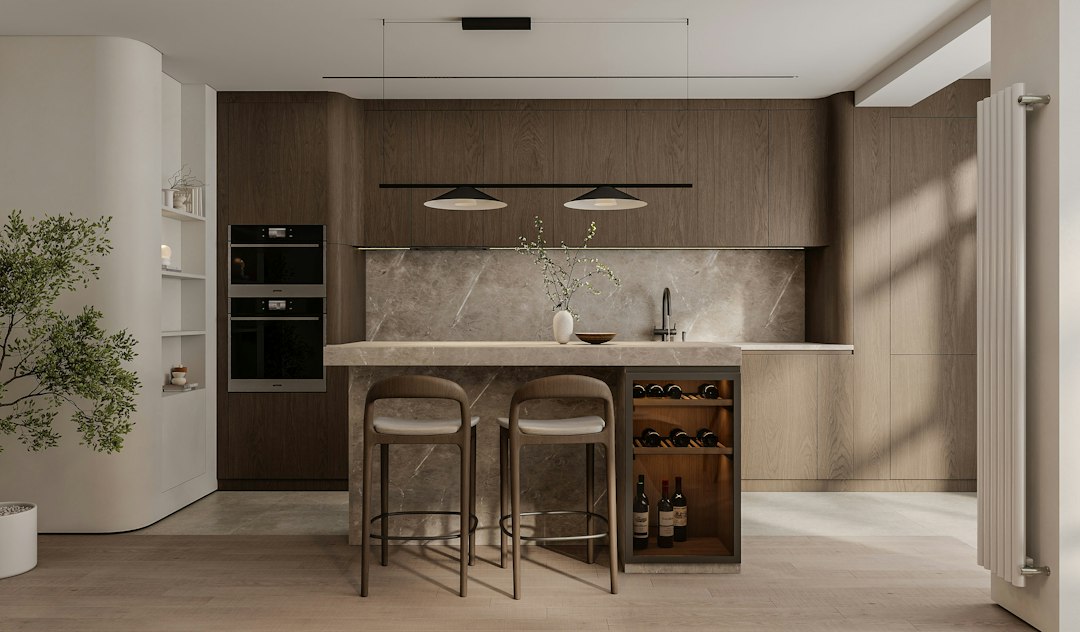
H2: Why You Need a Dedicated Wine Cooler
Storing wine correctly is both an art and a science. The primary enemies of wine are heat, light, vibration, and temperature fluctuations. A kitchen fridge, with its constant door opening, low temperatures, and dry air, is detrimental to long-term storage. A professional wine cooler solves these problems by providing:
- Consistent Temperature: It holds a steady temperature, crucial for graceful aging.
- Optimal Humidity: Prevents corks from drying out, which can let air in and spoil the wine.
- UV Protection: Tinted glass doors block harmful ultraviolet rays that can degrade flavor and aroma.
- Vibration-Free Environment: Minimizes disturbances that can disrupt the sediment and negatively impact the aging process.
Investing in a proper cooler means you are preserving the quality, flavor, and value of every single bottle you purchase.
H2: Compressor vs. Thermoelectric: Understanding the Core Technology
The single most important technical decision you'll make is choosing between a compressor and a thermoelectric cooling system. They work differently and are suited for different environments and needs.
Compressor Wine Coolers, which function like smaller versions of a standard refrigerator, are powerful and versatile. They use a refrigerant and a compressor to actively cool the interior and can maintain very low temperatures regardless of the ambient room temperature. This makes them the only sensible choice for warmer climates, garages, or kitchens that heat up during summer. While they can be slightly noisier and vibrate more than thermoelectric models, modern designs have become significantly quieter and more energy-efficient.
Thermoelectric Wine Coolers use the Peltier effect, a solid-state method that creates a temperature differential. They are prized for being exceptionally quiet and virtually vibration-free, making them ideal for quiet living spaces or bedrooms. However, their cooling power is relative to the ambient temperature; they can typically only cool to about 10-15 degrees below the surrounding air. This makes them unsuitable for hot environments. They are also generally limited to smaller capacities.
H2: Single Zone vs. Dual Zone: Tailoring Storage to Your Collection
Do you exclusively drink reds, or do you enjoy a mix of reds, whites, and sparkling wines? The answer will determine whether you need a single or dual-zone cooler.
Single-Zone Coolers: Maintain one consistent temperature throughout the unit. They are perfect for collectors who focus on one type of wine (mostly reds for cellaring) or for those who plan to store all their wines at a universal aging temperature (around 55°F or 13°C). They are generally more affordable.
Dual-Zone Coolers: Feature two independently controlled compartments, allowing you to store different wine types at their ideal serving temperatures simultaneously. For example, you can keep reds at a cool 60-65°F (15-18°C) in one zone and whites, rosés, or sparkling wines at a chilled 45-50°F (7-10°C) in the other. This is the ultimate solution for entertainers and drinkers with diverse tastes.
H2: Choosing the Right Installation Type
How your wine cooler fits into your home is just as important as its technical features. There are three main styles to consider:
- Freestanding: The most common and flexible option. These units are finished on all sides and can be placed anywhere with proper ventilation. They require several inches of clearance around the back and sides to dissipate heat effectively.
- Built-In or Under-Counter: Designed for a seamless, integrated look within your kitchen or bar cabinetry. These models feature front-facing ventilation, so they don't require clearance on the sides or back. They offer a polished, professional aesthetic.
- Countertop: These are small, compact units, often thermoelectric, designed to hold a handful of bottles. They are an excellent starting point for new collectors or for those with very limited space.
H2: Key Features to Look For
Beyond the major decisions, several key features separate an adequate cooler from a great one. Prioritize these when comparing models:
- UV-Protected Glass Door: A non-negotiable feature to protect wine from light damage.
- Vibration-Dampening System: Look for brands that emphasize quiet, low-vibration compressors and sturdy shelving to keep your wine still.
- Adjustable & Quality Shelving: Shelves made from wood (like beech or sapele) are both stylish and gentle on labels. Extendable, roller-style shelves make accessing bottles at the back much easier. Ensure they can accommodate different bottle shapes and sizes.
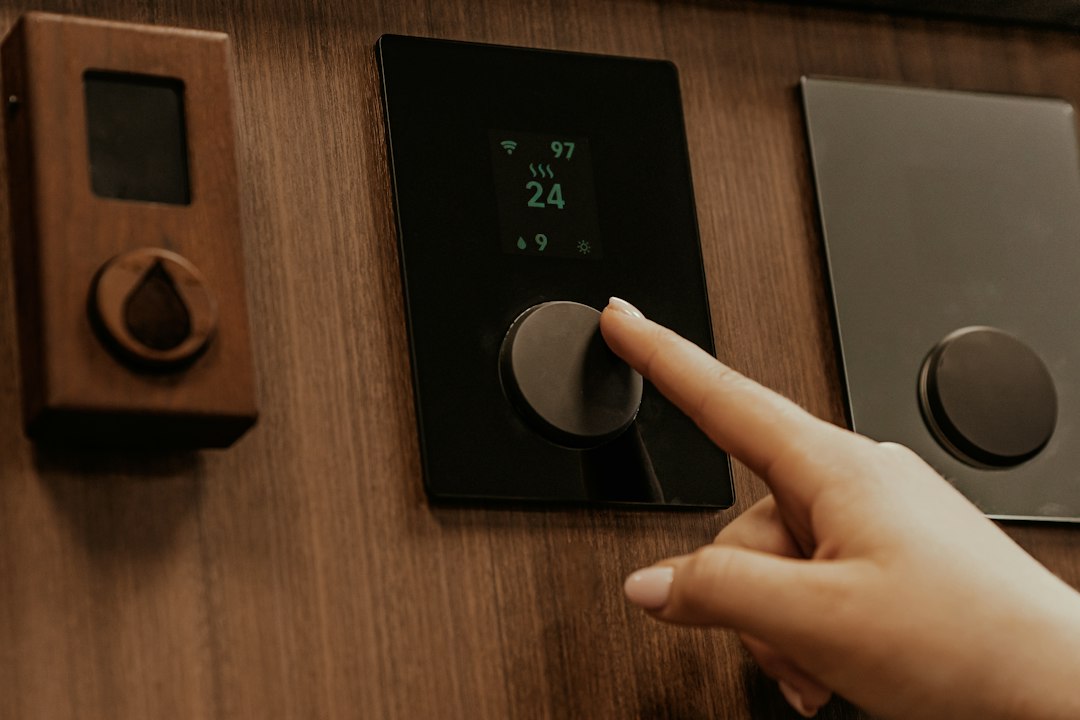
- Digital Thermostat & Display: Precise temperature control is key. A clear digital display allows you to monitor the internal climate without opening the door.
- Security Lock: An essential feature if you have children or want to protect a valuable collection.
- Reversible Door Hinge: Provides flexibility in where you can place the unit.
H2: How to Determine the Right Capacity
Capacity is measured in the standard 750ml Bordeaux-style bottle. Wider bottles for Burgundy, Pinot Noir, or Champagne will reduce the stated capacity. A common mistake is underestimating how many bottles you will eventually own. As a rule of thumb, plan for your current collection size and add at least 30-50% extra capacity for future growth. An average cooler holds 20–30 bottles, while larger models can hold over 60.
H2: Top Home Wine Cooler Brands and Models for 2026
Several brands consistently earn high marks for reliability, design, and performance. While the "best" model depends entirely on your needs, here are some top contenders across different categories:
- Best Overall: Wine Enthusiast and NewAir are frequently lauded for their balance of features, reliability, and price. Models like the Wine Enthusiast 32-Bottle Dual Zone MAX and the NewAir 24-Inch Dual Zone are perennial favorites for their versatility and compressor performance.
- Best for Value: Brands like Kalamera, Antarctic Star, and NutriChef offer excellent features at a more accessible price point, particularly for small to mid-size units.
- Best Luxury: For serious collectors, EuroCave is considered the gold standard, offering unmatched build quality and cellaring technology.
- Best for Mixed Storage: If you want to store wine alongside other beverages, look for dual-purpose coolers from brands like Kalamera or NewAir that offer dedicated sections for both bottles and cans.
H2: Comparative Overview of Popular Wine Cooler Types
| Feature | Compressor Cooler | Thermoelectric Cooler | Dual-Zone Cooler |
|---|---|---|---|
| Cooling Power | High (maintains set temp) | Moderate (cools below ambient) | High (Varies by zone) |
| Best For | Warm climates, large collections | Quiet indoor spaces, small collections | Red & white wine drinkers |
| Vibration | Low (modern models) | Virtually none | Low (typically compressor) |
| Noise Level | Audible hum when running | Whisper quiet | Audible hum when running |
| Capacity | Small to very large | Generally small (under 30 bottles) | Small to very large |
| Energy Use | Cycles on and off as needed | Runs continuously | Cycles on and off |
H2: Installation and Maintenance Tips
To get the most out of your wine cooler, follow these best practices:
- Let it Settle: After delivery, let the cooler stand upright for 24 hours before plugging it in. This allows the compressor's coolant to settle.
- Ensure Proper Ventilation: Blocked vents will force the unit to work harder, shortening its lifespan. Adhere to the manufacturer's clearance recommendations.
- Keep it Level: An uneven cooler can cause the door not to seal properly and may increase operational noise. Use a level to ensure it's perfectly balanced.
- Monitor Temperature: Use a separate, reliable thermometer to occasionally verify the accuracy of the cooler's internal thermostat.
- Clean Regularly: Wipe down the interior with a damp cloth and a mild, unscented cleaner every few months. Dust the exterior vents to maintain airflow.
H2: The Final Verdict: Making a Smart Investment
Choosing a home wine cooler is about more than just refrigeration; it's about investing in the preservation and enjoyment of your wine. By understanding the core technologies, assessing your collection needs, and focusing on quality features, you can confidently select a model that will serve you well for years to come. A great wine cooler provides peace of mind, knowing that every bottle you open, whether it's a weeknight sipper or a celebratory vintage, is perfectly stored and ready to be savored.