The Guardian of the Grape: Why Humidity Control is the Secret to Perfect Wine in Your Home Cooler
Why Your Wine's Worst Enemy Might Be a Lack of Water in the Air
When you invest in a home wine cooler, you're primarily thinking about temperature. It's the most discussed aspect of wine storage, and for good reason. But what if we told you that an invisible factor, humidity, holds just as much power over the fate of your collection? While you obsess over a few degrees, the moisture content in your cooler's air could be silently sabotaging your prized bottles. Proper humidity control is not a luxury; it is the essential co-pilot to temperature in the journey of aging wine to perfection. Without it, you risk turning a future masterpiece into a profound disappointment.
The “Dry” Problem: What Low Humidity Does to Your Prized Collection
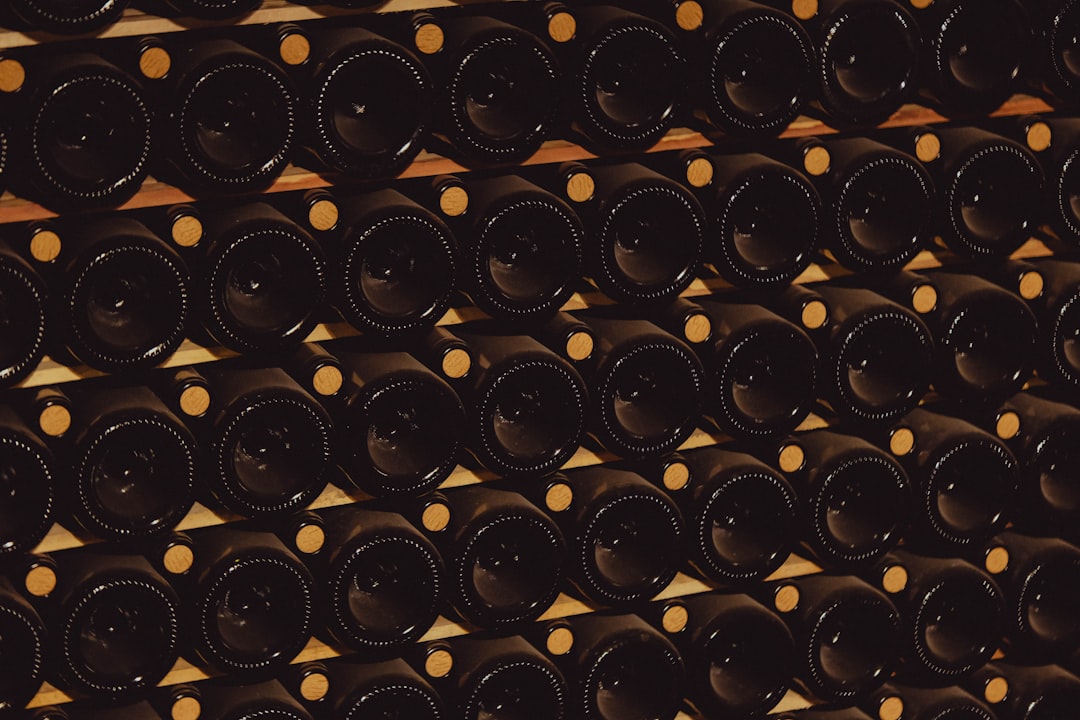
Low humidity is a wine cork's worst nightmare. Corks are a natural, porous material. When the air around them is too dry (typically below 50% relative humidity, or RH), they begin to lose their moisture and shrink. A dried-out cork compromises its primary function: to create a perfect seal. It can become brittle, crack, and allow oxygen to seep into the bottle. Oxygen is the archenemy of aged wine, initiating an oxidative process that flattens flavors, dulls aromas, and ultimately spoils the wine, turning its vibrant notes into something bland and sherry-like. The moment you see a dry, crumbly cork, you should be concerned about the wine's integrity.
The “Damp” Disaster: The Threat of High Humidity and Mold
On the other end of the spectrum, excessively high humidity (often above 70% RH) presents a different set of problems. While it won't directly harm the wine inside the bottle, it attacks everything else. High moisture levels create the perfect breeding ground for mold and mildew. This can grow on the cork, the bottle, and most devastatingly, the label. A moldy, peeling, or completely disintegrated label can dramatically reduce a valuable bottle's resale value and ruins the aesthetic of your collection. Furthermore, a persistent musty odor can develop, and while it's unlikely to penetrate a sealed bottle, it creates a very unpleasant environment for your cherished wines.
The Golden Rule: What is the Ideal Humidity Level for Storing Wine?
So, what is the magic number? Decades of winemaking tradition and scientific study point to a consensus: the ideal humidity range for storing wine is between 50% and 70% relative humidity. This range is the perfect equilibrium. It is moist enough to keep the corks plump, elastic, and properly sealed against oxygen, yet it is not so damp as to encourage the growth of destructive mold on your labels and shelves. Maintaining your wine cooler within this sweet spot is the single most effective way to ensure long-term preservation.
How Do Home Wine Coolers Manage Humidity?
Modern wine coolers employ sophisticated systems to manage the internal environment. The cooling process itself, which involves a compressor and evaporator coils, naturally removes some moisture from the air, similar to a standard refrigerator. However, a dedicated wine cooler is designed to balance this effect. Some units have built-in humidification systems—either passive or active—to maintain the ideal RH. Others are designed to operate in a way that retains a certain level of natural humidity produced by the cooling cycle, keeping the air from becoming bone-dry.
Passive vs. Active Humidity Control: What’s the Difference?
Understanding the type of system in a wine cooler is key.
- Passive Systems: These are more common in entry-level and mid-range coolers. They rely on the cooler's natural operation and may include a small reservoir or tray that you can fill with water. As the water evaporates, it adds humidity to the air. This method is simple but requires manual monitoring and refilling.
- Active Systems: Found in more premium models, active humidity control uses built-in sensors (hygrometers) and automated systems to manage humidity. If the RH drops, the system might activate a small fan to circulate water vapor from an internal reservoir or use a nebulizer. If it gets too high, it will adjust the cooling cycle to gently dehumidify. This provides a hands-off, precise solution.
Signs Your Wine Cooler's Humidity is Off-Balance
How can you tell if there's a problem? Look for the tell-tale signs. If you notice condensation forming on the inside of the glass door or on the bottles themselves, your humidity is likely too high. Conversely, if you see that the top of your corks appear visibly dry, or if your labels feel brittle and start to curl at the edges, your cooler's environment is probably too arid. Any musty smell is also a major red flag for high humidity and potential mold growth.
| Symptom | Potential Cause | Action Required |
|---|---|---|
| Condensation on glass | Humidity > 75-80% | Reduce humidity source or improve air circulation |
| Dry, brittle corks | Humidity < 50% | Add a humidity source (e.g., water tray) |
| Peeling or moldy labels | Humidity > 70% | Clean area, reduce humidity, check for leaks |
| Musty odors | Mold or mildew growth | Air out the unit, clean thoroughly, and stabilize humidity |
Your Best Friend: The Digital Hygrometer
Don't guess—measure. The single most important tool for any serious wine collector is a reliable digital hygrometer. Many wine coolers have a built-in display, but their accuracy can vary. Placing a small, calibrated, third-party hygrometer inside your cooler gives you an unbiased reading of the true relative humidity. This inexpensive device empowers you to make informed adjustments and provides peace of mind that your collection is truly protected. Check it regularly to ensure the environment remains stable.
Practical Tips to Adjust and Maintain Humidity
If your hygrometer shows that your levels are out of the optimal 50-70% range, don't panic. There are simple steps you can take:
- To a Raise Humidity: Place a small container of water or a damp sponge in the bottom of your cooler. The water will evaporate naturally, increasing the RH. Start small and monitor the effect over a few days before adding more.
- To Lower Humidity: If your cooler is too damp, you can add a small desiccant packet (like food-safe silica gel) to absorb excess moisture. Ensure your cooler door seal is tight and not allowing humid ambient air to enter. Also, check that the cooler isn't placed in an overly damp area like a wet basement.
Long-Term Storage: Why Consistency is Non-Negotiable
For wines you plan to age for five, ten, or even twenty years, consistency is everything. Fluctuations in both temperature and humidity are highly detrimental. Every swing in humidity causes the cork to expand and contract, which can degrade its elasticity and compromise the seal over time. The goal is not just to hit the 50-70% range, but to stay there. This stability is what allows a wine to evolve gracefully, developing the complex secondary and tertiary notes that make aged wine such a profound experience.
Beyond the Bottle: Humidity's Impact on Your Cooler
Proper humidity also contributes to the longevity of the wine cooler itself. An environment that's too dry can cause wooden shelves to shrink or crack over time. An environment that is too damp can encourage mildew growth not just on your bottles, but on the interior surfaces and shelving of the unit, potentially leading to damage and bad odors that are difficult to remove. By maintaining proper humidity, you are not only protecting your wine but also your investment in the cooler.