
Inside the Factory: The Art and Science Behind a Perfect Cigar Humidor
A fine cigar is a moment of luxury, a complex tapestry of flavor and aroma. But that experience is fleeting if not properly preserved. The unsung hero in the life of any cigar aficionado is the humidor—a guardian that protects, preserves, and even enhances a valuable collection. But what goes into crafting one of these essential containers? The journey from a raw piece of wood to a high-performance humidor is a masterful blend of material science, precision engineering, and artisanal craftsmanship. Let's step inside the factory to uncover the secrets.
H2: The Blueprint of Perfection: Design & Engineering
Before a single piece of wood is cut, a humidor begins as a detailed plan. Engineers and designers collaborate to determine its core characteristics: capacity, structural integrity, and aesthetic appeal. This phase is critical. Decisions made here affect everything, from how well the lid will seal to how efficiently air will circulate inside. Factors like the thickness of the walls, the type of joinery used for the corners, and the placement of internal components are all meticulously mapped out to create a blueprint for a perfectly controlled environment.
H2: The Soul of the Humidor: Sourcing Spanish Cedar
The most critical material in any premium humidor is Spanish cedar (Cedrela odorata). Despite its name, it's a fragrant hardwood, not a true cedar. A factory dedicated to quality will have stringent sourcing protocols for this wood. Why the obsession?
- Humidity Regulation: Spanish cedar has an exceptional ability to absorb and release moisture, acting as a natural buffer that helps maintain a stable Relative Humidity (RH).
- Aroma & Flavor: Its distinct, pleasant aroma is not overpowering and is believed to enhance the aging process of cigars.
- Pest Repellent: The wood's natural oils are a deterrent to tobacco beetles, the bane of any cigar collector.
A quality-focused factory sources cedar with the right age, grain, and moisture content, ensuring it is properly kiln-dried to prevent future warping or cracking.
H2: From Timber to Treasure: The Art of Construction
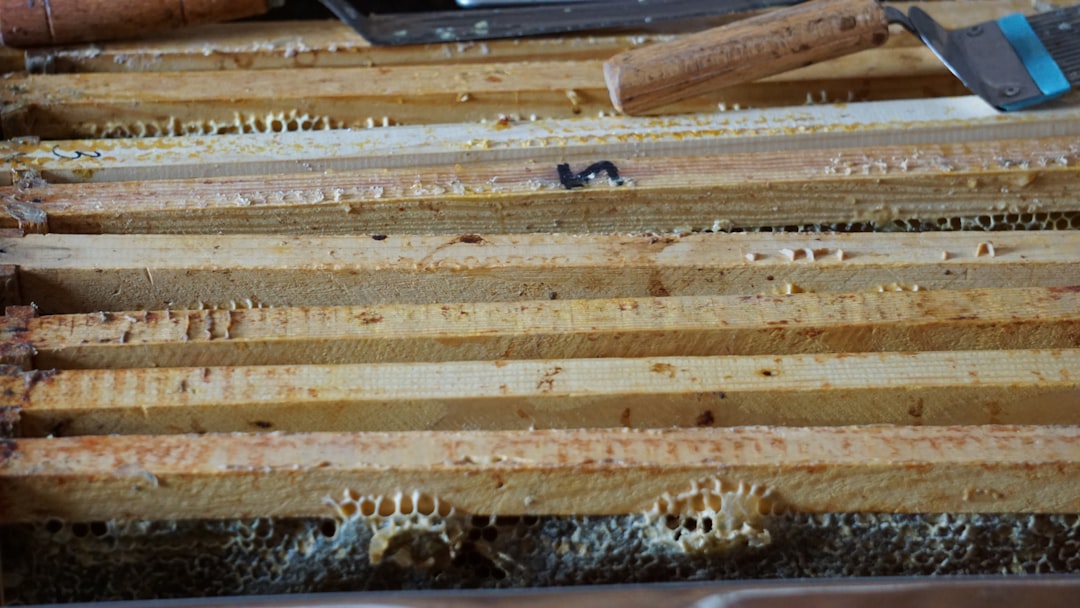
This is where raw materials begin their transformation. The construction of the humidor's box is a test of precision. The walls are cut and joined, often using techniques like miter joints reinforced with splines or dovetail joints for high-end models. This isn't just for strength; it's the first step in ensuring a tight seal. The goal is to create a perfectly stable and square box, as any imperfection at this stage will compromise the humidor's performance down the line.
H2: The "Whoosh" Factor: Engineering the Perfect Seal
Ask any aficionado what they look for in a humidor, and they'll mention the seal. A quality humidor, when closed, should produce a gentle "whoosh" of escaping air, indicating a snug fit. This isn't achieved by accident. In the factory, the lid and body are often crafted as a matched pair. Craftsmen pay meticulous attention to the 'lip' or 'rabbet' where the lid meets the box. It’s sanded and fitted with extreme precision. A poor seal allows the external environment to dictate the internal humidity, rendering the humidor useless.
H2: The Heartwood Chamber: Lining with Spanish Cedar
Once the exterior box is built, it's time to create the internal chamber. Thin sheets or planks of Spanish cedar are precisely cut and fitted to line the entire interior. The thickness of this lining matters; a thicker lining (5mm or more) can hold more moisture and provide better humidity regulation than a paper-thin veneer. The cedar is typically left unfinished to allow it to breathe and perform its moisture-regulating magic.
H2: A Work of Art: Exterior Finishing and Aesthetics
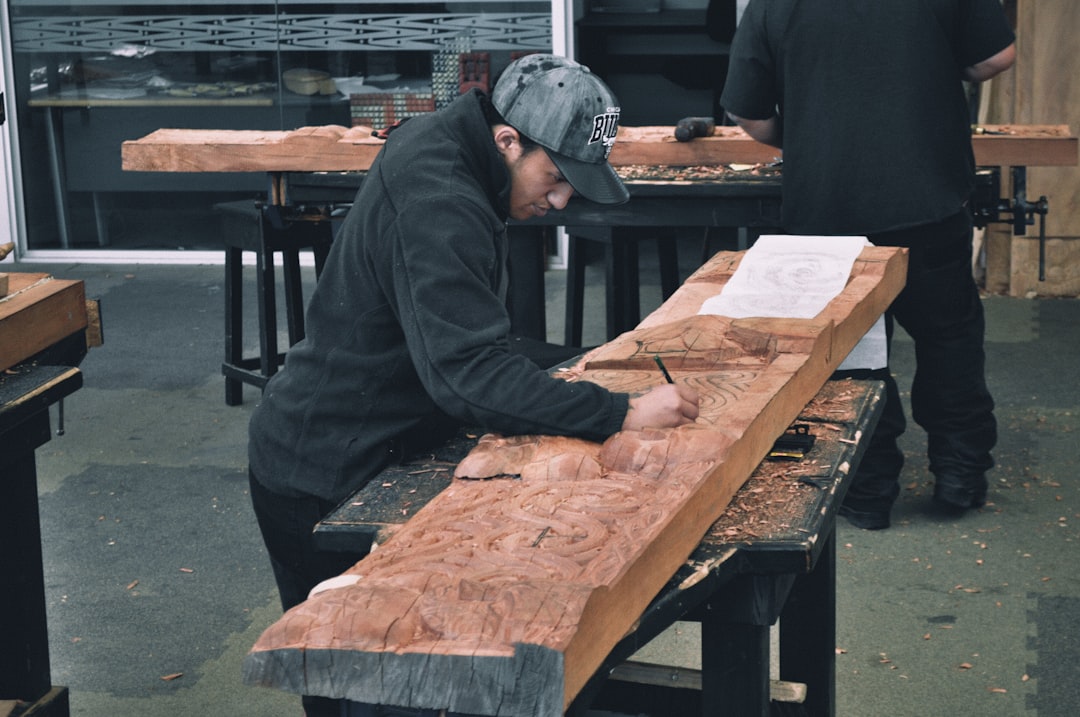
While the inside is all about science, the outside is a canvas for artistry. The humidor's exterior can be made from a variety of beautiful woods, such as mahogany, cherry, or exotic burls. This stage involves a multi-step process of sanding, staining, and applying lacquer. A high-quality finish involves many coats of lacquer, with sanding between each coat, to achieve a deep, lustrous, and durable surface that feels as good as it looks.
H2: The Finishing Touches: Installing Hardware
With the box constructed and finished, the hardware is installed. This includes high-quality quadrant hinges that allow the lid to open smoothly and close precisely, a lock and key for security, and, of course, the hygrometer and humidification element. Placement is key. The hygrometer must be positioned for an accurate reading, and the humidifier needs to be placed where it can distribute moisture evenly.
H2: The Engine of Preservation: The Humidification System
The humidification system is the engine of the humidor. Factories may offer several types, each with its pros and cons. Understanding these systems reveals the technology behind preservation.
| System Type | Mechanism | Pros | Cons |
|---|---|---|---|
| Traditional Foam | A sponge-like foam block soaked in distilled water. | Inexpensive, widely available. | Can be prone to mold, requires frequent refills, less precise. |
| Crystal Gel | Polymer crystals that absorb water and release it slowly. | More stable humidity realease than foam, less prone to over-humidification. | Needs to be recharged/replaced, can lose effectiveness over time. |
| Electronic System | A sensor-controlled unit that actively monitors RH and releases moisture as needed. | Extremely precise, automated, maintains perfect stability. | Expensive, requires a power source, more complex. |
H2: The Gauntlet of Quality: Rigorous Testing and QC
Before a humidor is cleared to leave the factory, it undergoes rigorous Quality Control. This isn't just a visual inspection.
- The Seal Test: Inspectors will often use a light test (placing a light inside and looking for gaps in a dark room) or the classic "dollar bill test" (closing the lid on a bill to check for resistance) to ensure the seal is airtight.
- Hygrometer Calibration: Every hygrometer is calibrated to ensure it provides an accurate reading. An inaccurate gauge gives the user false information, leading to ruined cigars.
- Fit and Finish: The humidor is inspected from every angle for flaws in the finish, scratches in the wood, or misaligned hardware. Only flawless units pass.
H2: Beyond the Standard: The World of Custom Humidors
Many factories also operate a custom shop, where the principles of quality construction are applied to bespoke creations. Clients can specify the exact size, materials, and features they desire, from walk-in humidor rooms lined with Spanish cedar to exquisite desktop boxes made from rare woods. This part of the factory is where craftsmanship truly shines, creating one-of-a-kind functional works of art.
H2: The Final Product: A Legacy Item
The journey from a stack of lumber to a finished cigar humidor is long and complex. It requires an unwavering commitment to material quality, precision in manufacturing, and a deep understanding of the science of humidity. A well-made humidor is more than just a box; it is an investment, an heirloom, and the trusted guardian of a passion. When you close the lid on a quality humidor and hear that satisfying whoosh, you're not just closing a box—you're closing a perfectly crafted, scientifically engineered environment designed for one purpose: to protect the ritual of the cigar.