
From Forest to Finish: Inside the Craft of a Premier Cigar Humidor Factory
Behind the Velvet Rope: A Factory Tour of Humidor Craftsmanship
A cigar humidor is more than a mere storage box; it's a sanctuary engineered to protect, preserve, and even age your valuable cigars. For the uninitiated, it might seem like a simple wooden container, but for an aficionado, it's the most critical accessory for their collection. But what truly goes into creating one? We're pulling back the curtain to reveal the intricate journey that takes place within a cigar humidor factory, translating raw materials into a functional work of art that every cigar enthusiast can appreciate.
H2: The Heart of the Humidor: Sourcing and Seasoning Spanish Cedar
The soul of any premium humidor is its interior lining. The undisputed king of materials is Spanish cedar (Cedrela odorata). Factories don't just use any cedar; they source top-grade timber, often from specific regions known for quality. Here’s why it's so vital:
- Moisture Regulation: Spanish cedar has exceptional hygroscopic properties, meaning it absorbs and releases moisture to maintain a stable internal humidity.
- Aroma & Aging: The wood imparts a subtle, pleasant aroma that enhances the cigars' flavor profile over time.
- Pest Protection: The natural oils in Spanish cedar are a deterrent to tobacco beetles, a potential disaster for any collection.
Once sourced, the raw timber is carefully kiln-dried to a precise moisture content. This prevents the wood from warping or cracking later, ensuring the humidor's long-term structural integrity.
H2: Precision Woodworking: Crafting the Core Structure
With the wood prepared, the factory floor buzzes with activity. This isn't simple assembly; it's precision engineering. Whether the core structure is solid wood or a stable MDF (Medium-Density Fiberboard) base, every panel is cut with state-of-the-art machinery to ensure perfect angles and fits. Using MDF is common in modern humidor construction as it is less prone to expansion and contraction with humidity changes, preventing stress on the outer veneers and joints. The focus here is on creating a box that can eventually form a near-perfect seal.
H2: The Art of the Finish: Veneers, Lacquers, and Aesthetics
A humidor needs to be as beautiful as it is functional. The exterior is where artistry comes to life. Skilled craftspeople apply exotic wood veneers like Burl, Cherry, or Black Walnut. This process involves:
- Veneer Application: Thin sheets of decorative wood are meticulously applied to the humidor's exterior.
- Sanding: The box is sanded multiple times, starting with coarse grits and moving to finer ones, to create a flawlessly smooth surface.
- Lacquering: Several coats of high-quality lacquer are applied, with sanding between each coat. This builds up a deep, lustrous finish that not only looks stunning but also protects the wood from the external environment.
H2: Lining the Interior: The Spanish Cedar Installation
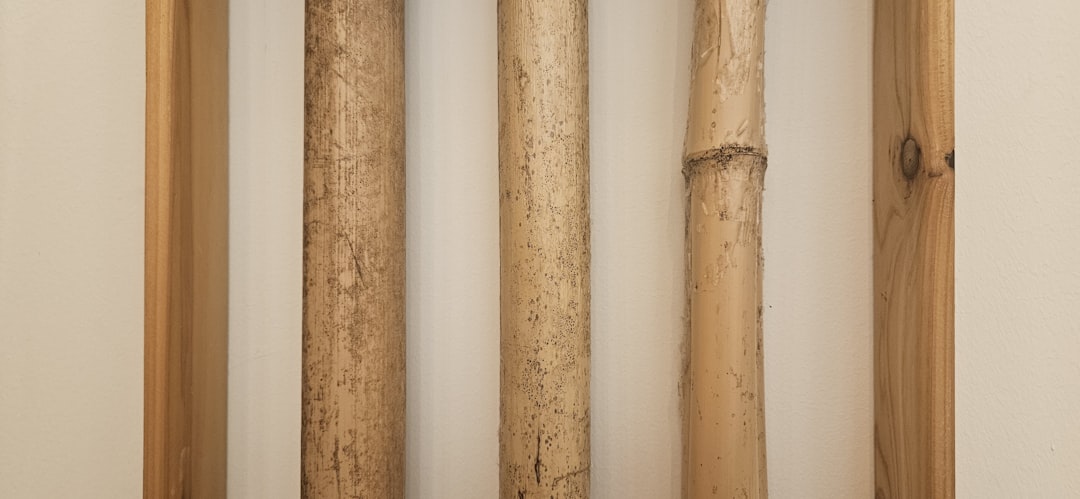
This is a critical step. The precisely cut Spanish cedar panels are fitted snugly inside the humidor box. Every seam must be perfect. Gaps are unacceptable, as they would compromise the humidor's ability to maintain a stable environment. Dividers and trays, also made of Spanish cedar, are crafted to allow for organization and promote air circulation around the cigars.
H2: Hardware and Instrumentation: Hygrometers & Humidifiers
Functionality hinges on these two components. The factory must integrate them seamlessly:
- The Hygrometer: This device measures the relative humidity (RH) inside the box. While traditional analog hygrometers are common, many high-end humidors now feature pre-calibrated digital hygrometers for greater accuracy. The installation requires a precise cut-out and secure fitting.
- The Humidification System: This is the engine that generates humidity. It can range from a simple foam-based block to sophisticated crystal gel containers or systems designed for Boveda packs. The factory ensures it is placed optimally for even moisture distribution.
| Feature | Analog Hygrometer | Digital Hygrometer |
|---|---|---|
| Accuracy | Generally lower; requires calibration | High accuracy out of the box |
| Readability | Manual dial, can be hard to read | Clear digital display |
| Maintenance | Frequent calibration needed | Minimal; battery replacement |
H2: Creating the Perfect Seal: The Litmus Test of Quality
No single feature is more crucial than the seal. A poor seal renders all other components useless. In the factory, the lid and body are crafted to meet with incredible precision. This is often called the "whoosh" test by consumers. When a well-made humidor lid is closed, a faint sound of escaping air can be heard as it settles, indicating an airtight closure. Some designs incorporate a magnetic seal or interlocking wooden lips (a Spanish cedar lip on the body and lid) to guarantee an airtight environment that prevents humidity leakage.
H2: The Critical Role of Quality Control
Before any humidor leaves the factory, it undergoes a rigorous quality control process. Inspectors scrutinize every aspect:
- Finish Check: Examining the lacquer for any blemishes, dust particles, or inconsistencies.
- Seal Test: Often performed with a light inside the box in a dark room to spot any light leaks, which indicate air gaps.
- Hardware Functionality: Ensuring the hinges are smooth and sturdy, the hygrometer is secure, and the lid aligns perfectly.
- Structural Integrity: Checking all joints and seams for strength and a flawless fit.
H2: Custom Humidors: A Factory's Bespoke Service
Beyond standard production, many factories offer custom, or bespoke, services. This is where the ultimate expression of craftsmanship is found. Clients can specify everything from the size and capacity to the type of exterior veneer, custom inlays, and advanced electronic humidification systems. It's a collaborative process between the customer's vision and the factory's expertise.
H2: The Impact of Technology in Modern Manufacturing
While tradition is key, technology plays a huge part. CNC (Computer Numerical Control) machines ensure unparalleled precision in cutting wood components. Laser cutters create intricate inlays and logos. Advanced finishing rooms with filtered air systems ensure a perfect, dust-free lacquer coat. This marriage of old-world craftsmanship and new-world technology results in humidors that are more consistent and reliable than ever before.
H2: Why Choosing a Reputable Factory Matters
Understanding the manufacturing process highlights why the source of your humidor is so important. A reputable factory invests in high-grade materials, skilled labor, and stringent quality control. A cheaper, mass-produced box may look the part, but it often fails in its primary mission: protecting your cigars. By choosing a humidor from a known, quality manufacturer, you are investing in the peace of mind that your collection is safe, secure, and aging gracefully.