
Beyond the Chill: Why UV Protection is the Unsung Hero of Your Home Wine Cooler
Introduction: More Than Just a Refrigerator
However, an equally critical, yet often overlooked, feature is UV protection. The sun's invisible UV rays can cause 'light strike,' a phenomenon that irreversibly damages your wine's flavor, aroma, and color. This guide explores why safeguarding your collection from UV light is a non-negotiable aspect of proper wine preservation and how the right wine cooler serves as the ultimate defense for your investment. ect environment for wine to rest and mature. While precise temperature is the most celebrated feature, there's an invisible threat that can ruin your collection just as surely as heat can: ultraviolet (UV) light. Protecting your wine from this silent danger is a crucial task, and a high-quality wine cooler is your best line of defense.
The Invisible Threat: What is "Light Strike"?
"Light strike" is the term used to describe the damage that occurs when wine is exposed to excessive light, particularly the UV rays found in sunlight. This exposure triggers a series of photochemical reactions within the bottle. Naturally occurring compounds in the wine, such as riboflavin (Vitamin B2), become excited by the energy from UV light. These energized molecules then react with amino acids, leading to the creation of potent, unpleasant sulfur compounds like dimethyl disulfide. The result is a wine that is fundamentally altered and often described as 'light-struck.' Just a few hours of direct sun exposure can be enough to damage a wine in a clear bottle.
Uncorking the Damage: How UV Light Ruins Your Wine
The effects of light strike are not subtle. A wine that has been compromised will lose its delicate nuances and develop distinct off-flavors and aromas. Common descriptors for a light-struck wine include notes of wet cardboard, cooked cabbage, or a damp wool sweater. The wine's vibrant fruit characteristics are muted, its structure degrades, and its color can be altered. While all wines are susceptible, certain types are at greater risk. White and sparkling wines, often bottled in clear or light green glass, are particularly vulnerable. Red wines have some natural protection from their higher tannin content, but even they are not immune to long-term exposure.
Your First Line of Defense: The Wine Bottle Itself
Winemakers have long known about the dangers of light. That's why most wine bottles are made from colored glass, typically green or brown. This tinting is intentional and serves as a basic filter against some UV radiation. However, it is a common misconception that a colored bottle offers complete protection. While it slows down the damage compared to a clear bottle, it does not block all harmful rays. For long-term storage and aging, relying solely on the bottle's color is insufficient to fully preserve the wine's integrity, especially if the bottle is stored where it may catch ambient daylight.
The Ultimate Guardian: How Wine Coolers Provide UV Protection
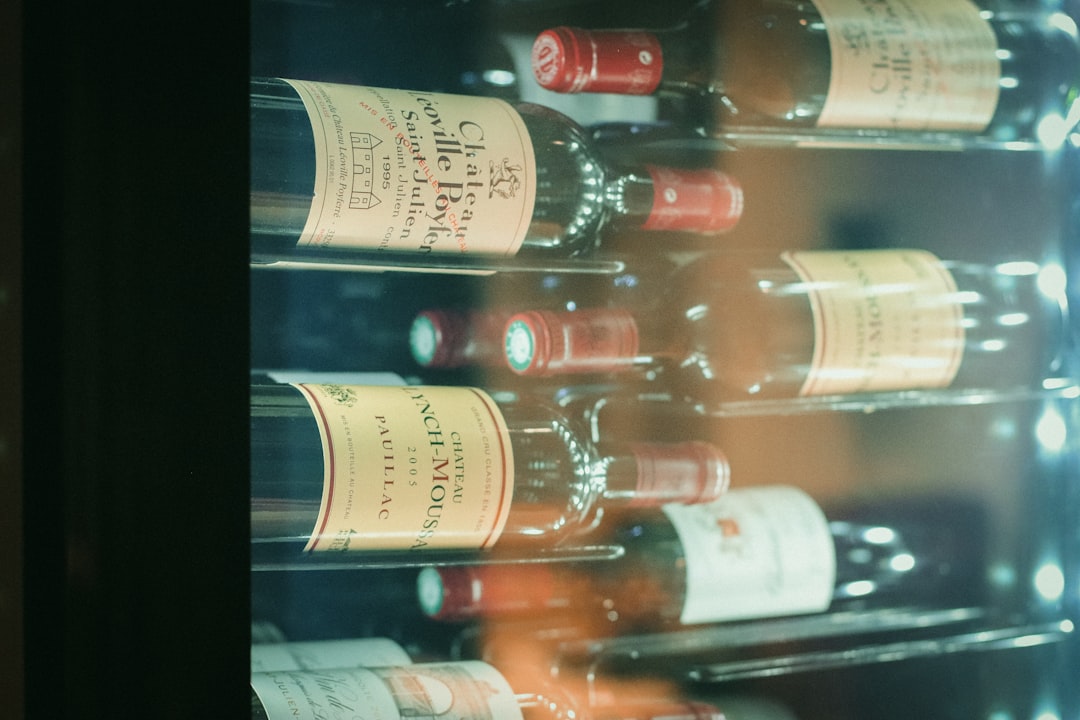
This is where a modern wine cooler becomes an indispensable tool. To protect a collection while still allowing it to be displayed, high-end wine coolers use specialized glass doors designed to filter out harmful light. This isn't just ordinary tinted glass; these doors are a piece of technology. They are typically double- or even triple-paned, with a layer of inert gas like argon sealed between the panes for added insulation and UV defense. Furthermore, the glass is treated with a special coating that is specifically designed to block over 97% of damaging UV wavelengths, keeping the wine inside safe while remaining perfectly transparent to the eye.
Glass Door vs. Solid Door: A Collector's Dilemma
When choosing a wine cooler, you'll face a fundamental choice: a glass door or a solid door. For absolute, 100% protection from all light, a solid door is the undisputed champion. Many serious collectors who prioritize long-term aging above all else opt for solid-door models. However, for many enthusiasts, a significant part of the joy is in viewing their collection. A glass door allows you to showcase your bottles and easily see what you have without opening the door and disturbing the stable internal environment. Thanks to modern UV-blocking technology, a high-quality glass door wine cooler offers a superb balance of protection and presentation, making it the more popular choice for home use.
Let There Be Light: Why Interior Lighting Matters
Protection from external light is only half the battle; the light inside the cooler matters, too. Older or cheaper coolers sometimes used fluorescent bulbs, which was a poor choice as they emit a small amount of UV radiation and generate heat, both of which are enemies of wine. Today, the industry standard is LED (Light Emitting Diode) lighting. LEDs are the perfect solution for illuminating a wine collection because they produce virtually no heat and emit no UV light. This allows you to admire your bottles under a soft, beautiful glow without posing any risk to their quality.
A Feature Checklist for the Perfect Wine Cooler
UV protection is a critical feature, but it's part of a larger system. When selecting a wine cooler, consider these essential elements that work together to create the ideal storage environment.
| Feature | Importance for Wine Preservation |
|---|---|
| UV-Protected Glass | Prevents "light strike" and degradation of flavor and aroma. |
| Stable Temperature(s) | Ensures consistent aging and serving temperature. Dual zones are a plus for different varietals. |
| Humidity Control | Keeps corks moist to prevent them from drying out and allowing oxygen in. |
| Vibration-Free | A low-vibration compressor avoids disturbing sediment and accelerating chemical reactions. |
| Air Circulation/Filter | Maintains consistent temperature throughout the unit and removes odors that could taint the wine. |
Placement Perfection: Where to Install Your Wine Cooler
Even with the best UV-protected door, the placement of your wine cooler is important. You should never place the unit in direct sunlight. While the door will block the UV rays, the direct heat from the sun will force the cooler's compressor to work much harder to maintain its internal temperature. This not only consumes more energy but can also create temperature fluctuations that stress the wine. Choose a location in your home that is away from windows and other heat sources to ensure your cooler operates efficiently and your wine remains in a stable, placid state.
Investing in Your Collection: The Long-Term Value of UV Protection
Whether your wine collection consists of a few special bottles or hundreds of investment-grade vintages, each one represents a story and an investment of time and money. Protecting that investment is the primary function of a wine cooler. UV protection is not a luxury add-on; it is a fundamental pillar of proper wine preservation. By choosing a cooler equipped to defend against the invisible threat of light damage, you are ensuring that every bottle you open will taste exactly as the winemaker intended—full of life, complexity, and character. It is an investment in the future enjoyment of your entire collection.