
Beyond the Box: Inside the Modern Cigar Humidor Factory Where Precision and Tradition Meet
Behind the Perfect Puff: An Inside Look at the Modern Cigar Humidor Factory
For any cigar aficionado, the humidor is more than just a storage box; it’s a sanctuary. It’s a carefully controlled environment where prized cigars are protected, allowed to mature, and kept in perfect condition, ready for that special moment. But have you ever wondered what goes into creating these essential guardians of flavor? The journey from a plank of wood and a set of wires to a sophisticated, climate-controlled humidor is a masterful blend of tradition, technology, and uncompromising attention to detail. Welcome to the world of the cigar humidor factory, where science meets soul.

What is a Cigar Humidor Factory? More Than Just Assembly
A cigar humidor factory is not merely an assembly line. It's a vertically integrated facility where raw materials are transformed into precision instruments. Unlike standard furniture making, building a humidor requires a deep understanding of wood science, micro-climate engineering, and the delicate nature of tobacco itself. The factory's mission is to create a perfectly sealed vessel that can maintain a consistent internal environment—typically 65-72% relative humidity (RH) and around 70°F (21°C)—regardless of the external conditions. Every stage, from material selection to final quality control, is dedicated to achieving this singular goal.
The Heart of the Humidor: Sourcing and Curing Spanish Cedar
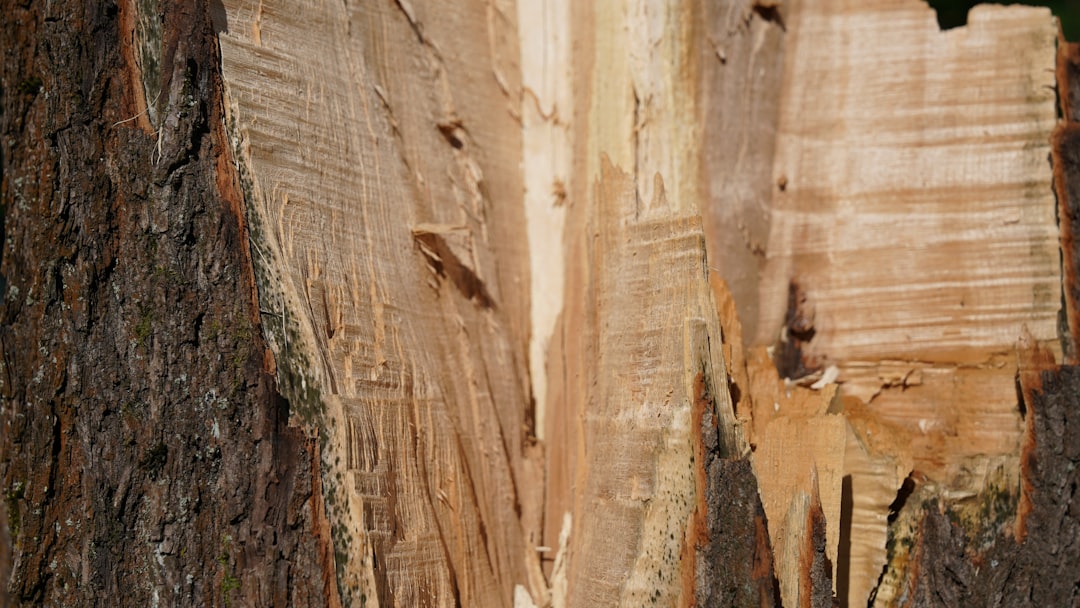
The journey begins with the most critical material: Spanish cedar (Cedrela odorata). This wood is the gold standard for humidor interiors for several reasons. Its unique aromatic properties enhance the flavor of cigars over time, it has a high capacity for moisture absorption which helps stabilize humidity, and it naturally repels tobacco beetles, the mortal enemy of any cigar collection. A top-tier factory sources its cedar from sustainable forests, ensuring both quality and environmental responsibility. Once it arrives at the factory, the wood undergoes a meticulous curing and drying process. This is crucial to prevent the wood from warping or cracking later, which could compromise the humidor's all-important seal.
Precision Engineering: The Science of the Perfect Seal
A humidor is useless without a perfect seal. Any air leak makes maintaining a stable internal environment impossible. In the factory, creating this seal is a task of precision engineering. Cabinet doors are not just cut and attached; they are designed to fit with microscopic tolerances. High-quality factories often use techniques like tongue-and-groove construction or magnetic seals to ensure an airtight closure. The 'whoosh' sound you hear when closing a premium humidor is the sound of air being pushed out of a perfectly sealed container—a sign of superior craftsmanship that begins on the factory floor.
The Brains of the Operation: Integrating Advanced Climate Control
This is where modern technology truly transforms the humidor. While traditional humidors rely on passive humidification (like a sponge or gel), modern electric humidors feature active climate control systems, often referred to as 'thermoelectric' systems. These units work by both cooling and heating to maintain a set temperature. Factories integrate these thermoelectric Peltier units, which are valued for their quiet, vibration-free operation—unlike the compressors found in a standard refrigerator. This is paired with automated humidification systems that use sensors to detect the RH and release moisture as needed. The factory's job is to seamlessly integrate these electronic components, ensuring the sensors, fans, and humidifiers work in perfect harmony.
| Humidor Technology | How it Works | Best For | Factory Focus |
|---|---|---|---|
| Passive Humidification | Uses a non-powered element (foam, gel, beads) to release moisture. | Small desktop humidors, travel cases. | Ensuring a perfect seal to maximize efficiency. |
| Thermoelectric Climate Control | Uses a solid-state Peltier device to heat or cool, with fans for air circulation and an automated water reservoir. | Serious collectors, fluctuating climates, long-term aging. | Precision integration of electronics, sensor calibration, and airflow design. |
| Compressor-Based System | Uses a compressor like a refrigerator for powerful cooling. | Very large cabinets, commercial use, hot climates. | Vibration dampening, noise reduction, and robust power management. |
Craftsmanship Meets Technology: Assembling the Humidor Cabinet
With the materials prepared and the technology ready, assemblers begin the physical construction. This stage is a dance between skilled artisans and precise machinery. The exterior woods—often exotic hardwoods like cherry, walnut, or burl—are carefully shaped and finished. The pre-cured Spanish cedar is used to line the interior, fitted perfectly to create a seamless environment. Shelves and drawers, also made from Spanish cedar to promote air circulation and organization, are installed on smooth-gliding tracks. In electric models, wiring is carefully routed, and the electronic control panel is installed, often flush-mounted for a sleek appearance.

Quality Control: The Gauntlet Every Humidor Must Pass
Before a humidor can leave the factory, it undergoes a rigorous quality control process. This is not just a visual inspection. Each unit is tested for the integrity of its seal, often using pressure or light tests. The electronic systems of thermoelectric models are powered up and calibrated. Technicians run diagnostic checks to ensure the hygrometer (humidity sensor) and thermostat are providing accurate readings and that the humidification system responds correctly. A humidor might spend 24-48 hours in a controlled testing room, where its ability to hold a stable temperature and humidity is monitored in real-time. Only those that pass with flying colors are approved for packaging.
From Raw Wood to Luxury Box: The Finishing Touches
The final stage is all about aesthetics and presentation. The exterior of the humidor receives multiple layers of lacquer, which are sanded and polished to a high-gloss or satin finish. This isn't just for looks; the lacquer also seals the exterior wood from outside moisture. Hardware such as locks, keys, and handles are installed. Finally, the glass doors are cleaned, interior LED lighting is tested, and the unit is carefully packaged with protective foam to ensure it arrives at its destination in pristine condition, ready to become the trusted home for a valuable cigar collection.
Inside the Factory: A Look at Different Humidor Types
A modern factory produces a range of humidors to meet different needs. Small, desktop humidors are built for simplicity and elegance. Larger cabinet humidors are constructed for collectors who need to store hundreds or even thousands of cigars, often featuring multiple drawers and display shelves. The most advanced are the thermoelectric 'fridgadors' or 'wineadors,' which offer the ultimate in set-it-and-forget-it preservation, making them the focus of the most technologically advanced production lines.
The Role of Innovation: What's Next for Humidor Manufacturing?
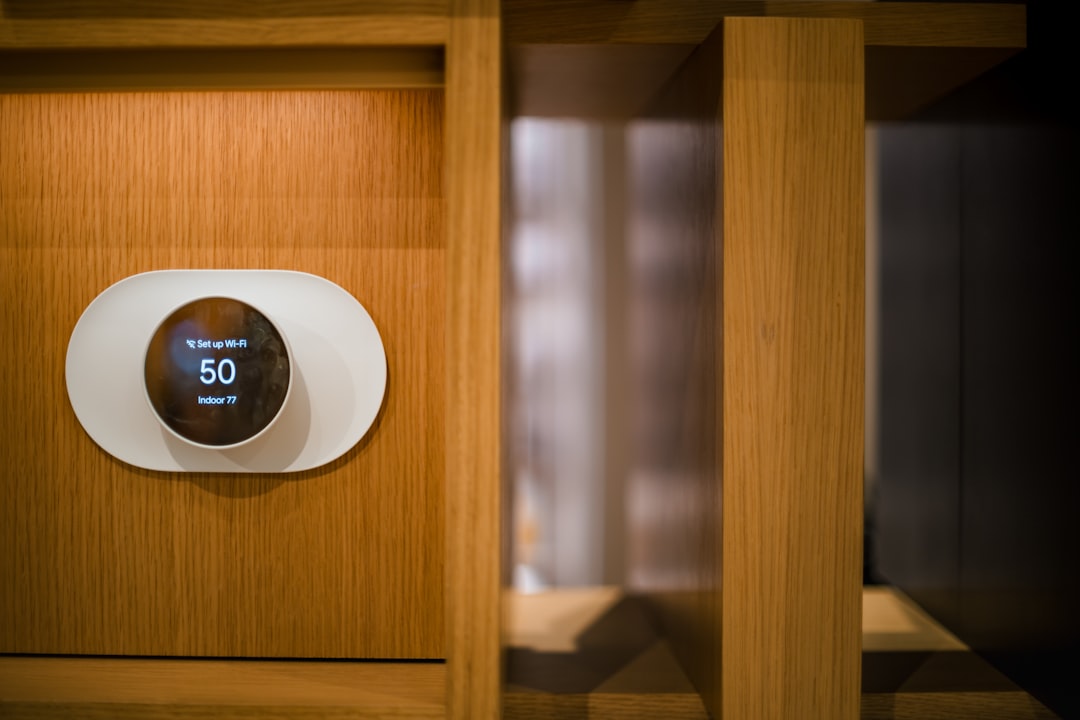
Humidor factories are constantly innovating. The future points towards even smarter technology. We are already seeing humidors with Wi-Fi connectivity that allow you to monitor and adjust settings via a smartphone app. Some high-end models now include features like ammonia removal systems to purify the air from a byproduct of cigar fermentation. As technology becomes more accessible, factories will continue to integrate features that offer cigar enthusiasts even greater precision, convenience, and peace of mind.
Choosing a Humidor: How Factory Quality Translates to Your Collection
When you invest in a humidor, you are trusting it to protect another, often more significant, investment: your cigars. Understanding what happens inside a quality humidor factory helps you appreciate why a premium humidor is worth it. You're not just buying a box; you're buying the result of careful material sourcing, precision engineering, technological integration, and a dedication to the art of cigar preservation. A well-made humidor from a reputable factory is an investment that will pay dividends in perfectly aged, flavorful cigars for years to come.